Europe's most beautiful villages
Hand-picked from the official “most beautiful” lists of Italy, France, Spain and Austria, and the UNESCO World Heritage sites.
Explore the villages →68 villages · Verified ratings · Book directly
Highest Rated
By public rating — Tripadvisor/Google, sourced per village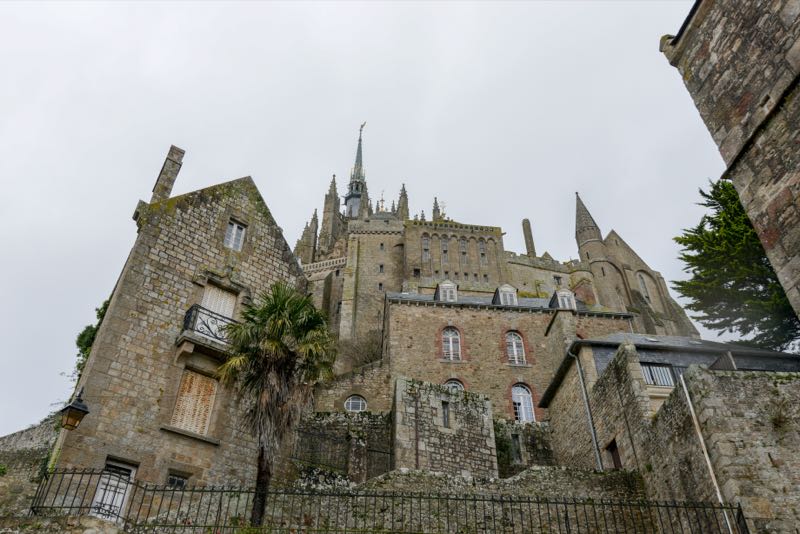 No. 065
Mont-Saint-Michel
Normandy (Manche), France
Mont-Saint-Michel is a tidal island village of 23 residents in Normandy, UNESCO-listed since 1979, crowned by a Benedictine abbey amid 14-metre tides.
UNESCO
Check availability →
 No. 011
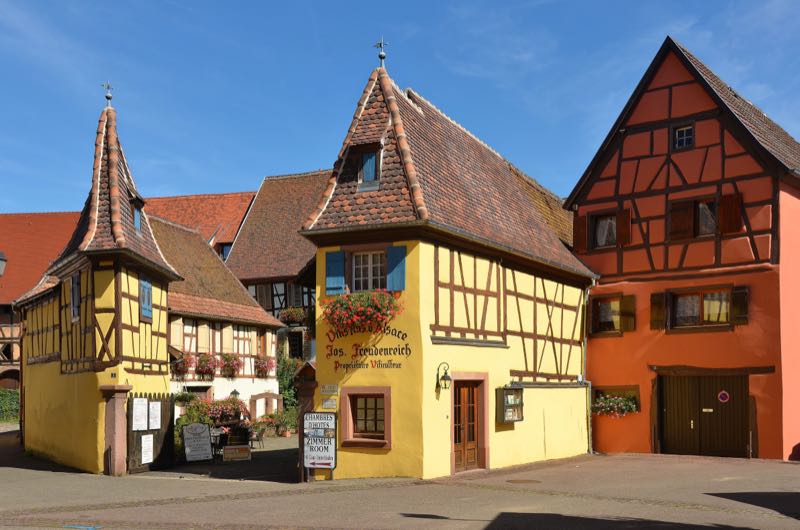
Eguisheim
Grand Est (Alsace), France
Eguisheim's streets curve in concentric rings around its original medieval fortress, a layout still legible from above.
Les Plus Beaux Villages de France
Check availability →
 No. 040
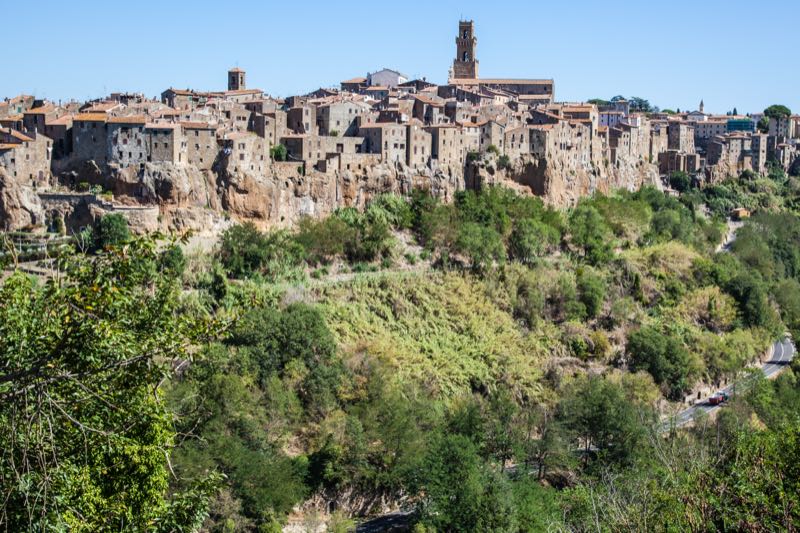
Pitigliano
Tuscany (Maremma), Italy
Pitigliano rises directly from a tufa cliff in Tuscany's Maremma, its buildings seemingly continuous with the rock beneath them.
I Borghi più belli d'Italia
Check availability →
 No. 064
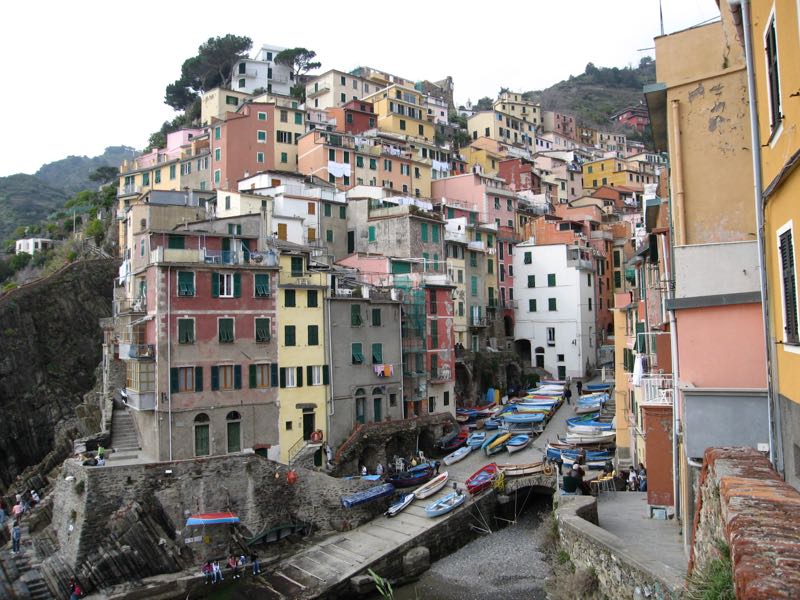
Manarola
Liguria (Province of La Spezia, frazione of Riomaggiore), Italy
Manarola is the smallest inhabited Cinque Terre village, part of Italy's UNESCO-listed coastal landscape, known for terraced vineyards and cliffside houses.
UNESCO
Check availability →
 No. 042
Spello
Umbria, Italy
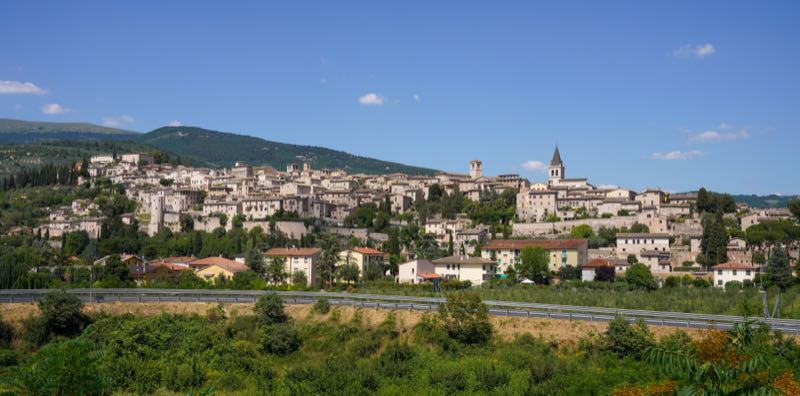
Spello climbs a ridge of Monte Subasio in Umbria, its Roman and medieval layers visible in the same walls.
I Borghi più belli d'Italia
Check availability →
 No. 033
Follina
Veneto (Treviso), Italy
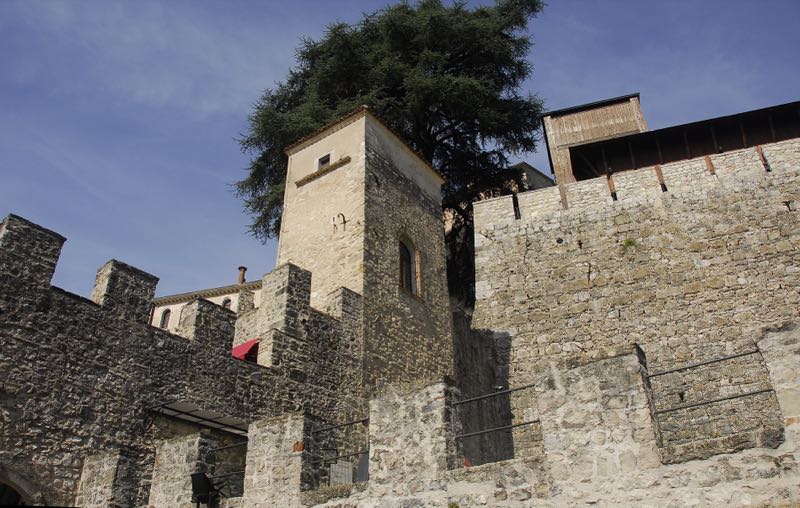
Follina in the Treviso Prealps, Veneto, is built around a 12th-century Cistercian abbey and lies along the UNESCO Prosecco Superiore wine hills.
I Borghi più belli d'Italia
Check availability →
 No. 051
Frías
Castile and León (Burgos), Spain
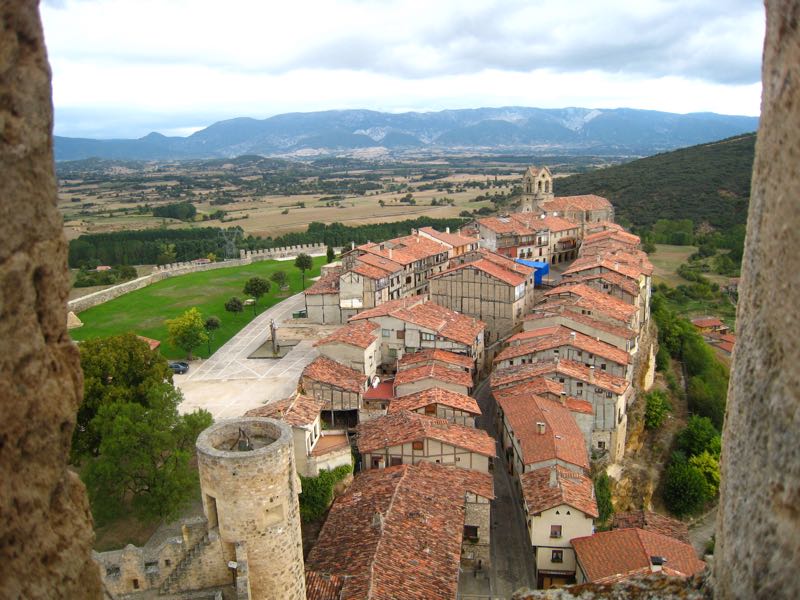
Frías holds the formal, centuries-old title of Spain's smallest city, granted by King Juan II in 1435.
Los Pueblos más Bonitos de España
Check availability →
 No. 007
Rust
Burgenland (Neusiedl am See), Austria
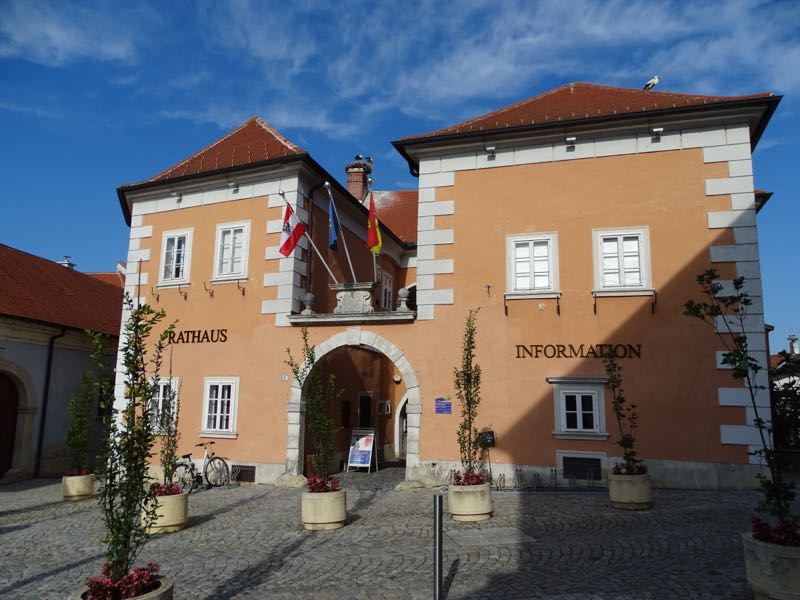
Rust on Austria's Neusiedler See, a Royal Free City since 1681 and UNESCO World Heritage Site, known for Ruster Ausbruch wine and spring stork nests.
UNESCO World Heritage Site — Fert…
Check availability →
 No. 061
Alberobello
Apulia (Metropolitan City of Bari), Italy
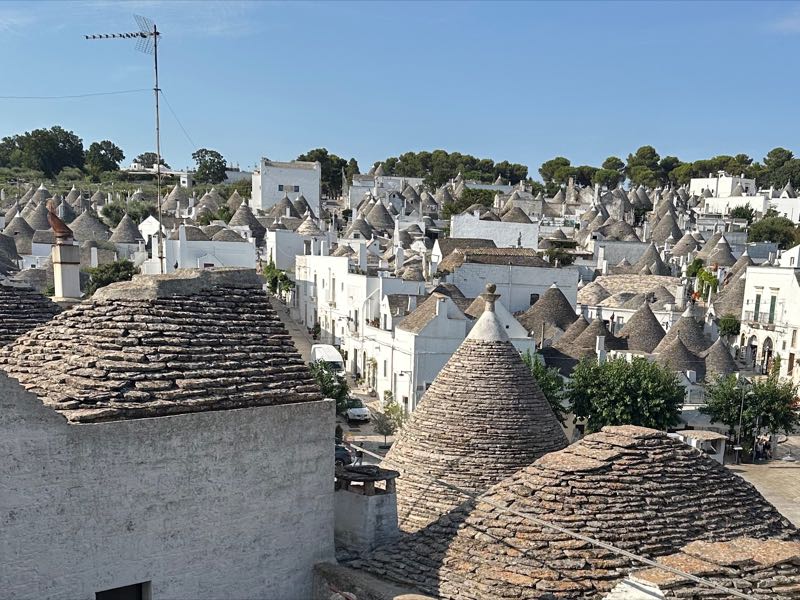
Alberobello in Apulia is built of trulli, dry-stone huts with conical roofs, UNESCO-listed since 1996. Its Rione Monti district remains fully inhabited.
UNESCO
Check availability →
All 68 villages
Complete register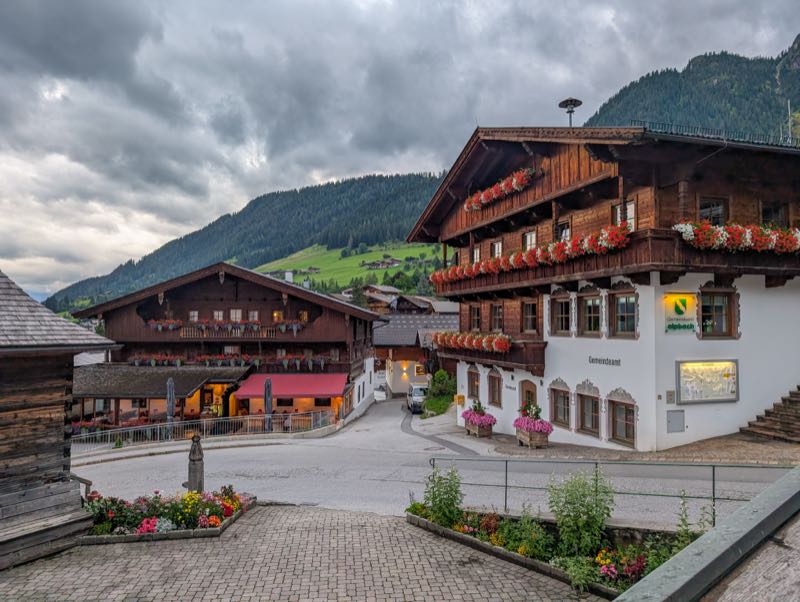 No. 001
Alpbach
Tyrol (Kufstein), Austria
Alpbach in Tyrol, Austria's most beautiful village, preserved by 1953 building rules requiring Tyrolean wooden architecture. Base for Ski Juwel and European Forum.
Austria's Most Beautiful Village…
Check availability →
 No. 002
Dürnstein
Lower Austria (Wachau), Austria
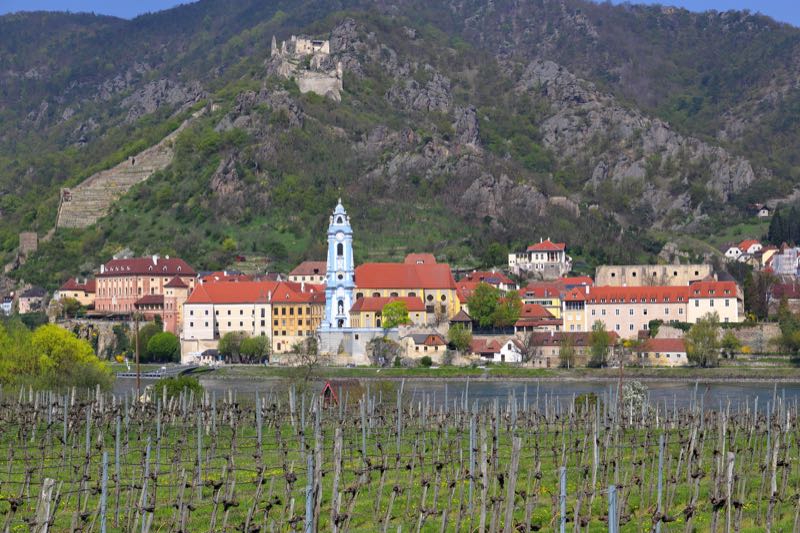
Dürnstein's ruined hilltop castle once held Richard the Lionheart prisoner in 1192, on his return from the Third Crusade.
UNESCO
Check availability →
 No. 003
Gmunden
Upper Austria (Salzkammergut), Austria
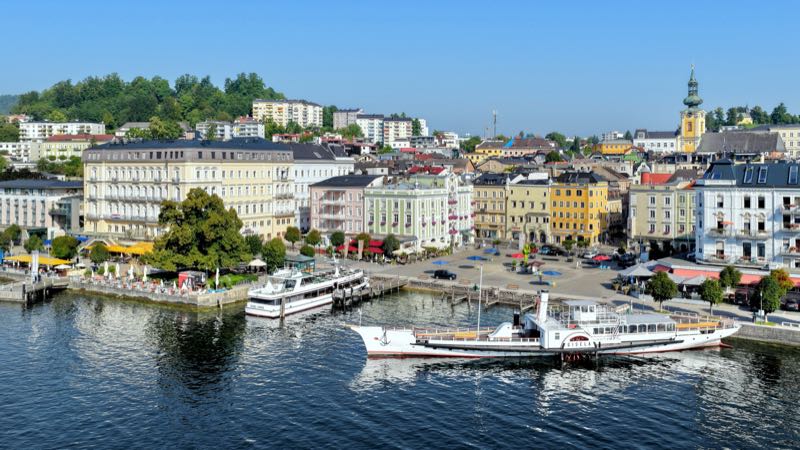
Gmunden on Austria's Traunsee, home to Schloss Ort island castle and one of Europe's oldest ceramics manufactories, active since 1492.
Historic village
Check availability →
 No. 004
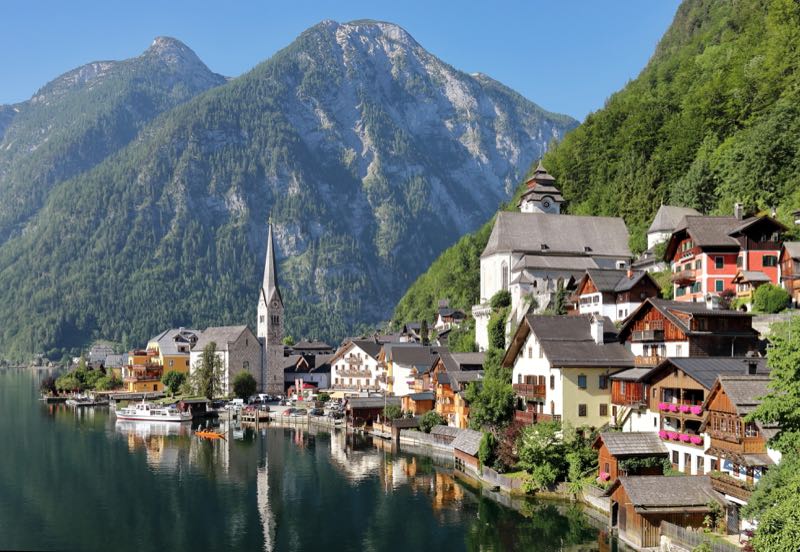
Hallstatt
Upper Austria (Salzkammergut), Austria
Hallstatt has lent its name to an entire prehistoric era — the Hallstatt culture — after Iron Age salt-mining artifacts were uncovered in the mountain above the village.
UNESCO
Check availability →
 No. 005
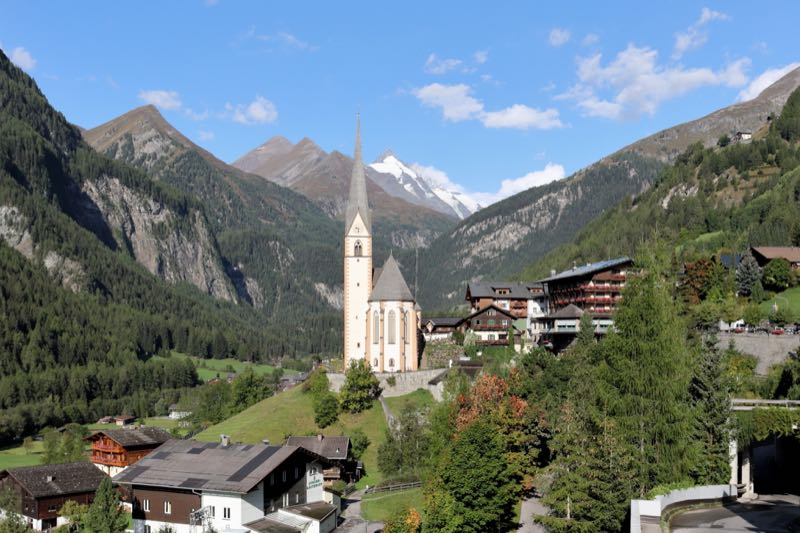
Heiligenblut
Carinthia (Spittal an der Drau), Austria
Heiligenblut at 1,291 m marks the southern start of the Grossglockner High Alpine Road in Austria's Hohe Tauern National Park.
Historic village
Check availability →
 No. 006
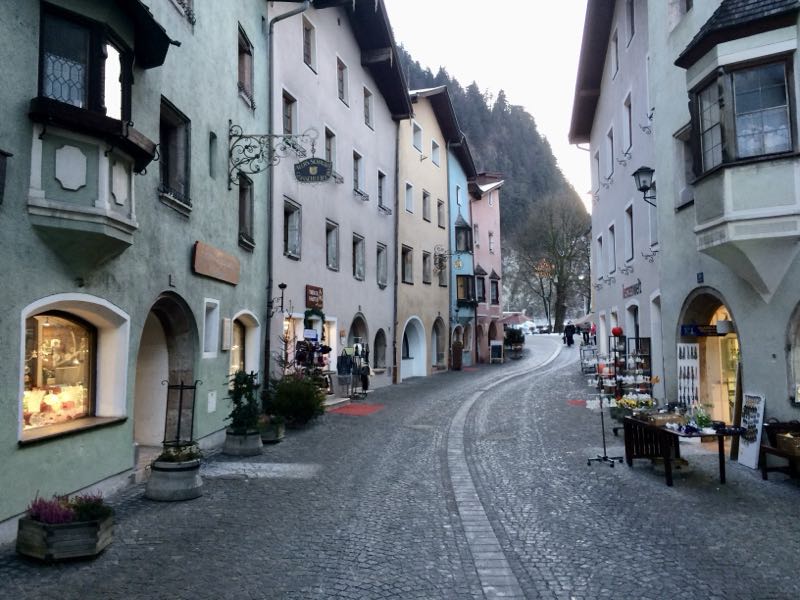
Rattenberg
Tyrol (Kufstein), Austria
Rattenberg in Tyrol, Austria's smallest city by area, is a medieval glass-engraving town pressed between the Inn River and a cliff-top castle ruin.
Historic village
Check availability →
No. 007
Rust
Burgenland (Neusiedl am See), Austria
Rust on Austria's Neusiedler See, a Royal Free City since 1681 and UNESCO World Heritage Site, known for Ruster Ausbruch wine and spring stork nests.
UNESCO World Heritage Site — Fert…
Check availability →
 No. 008
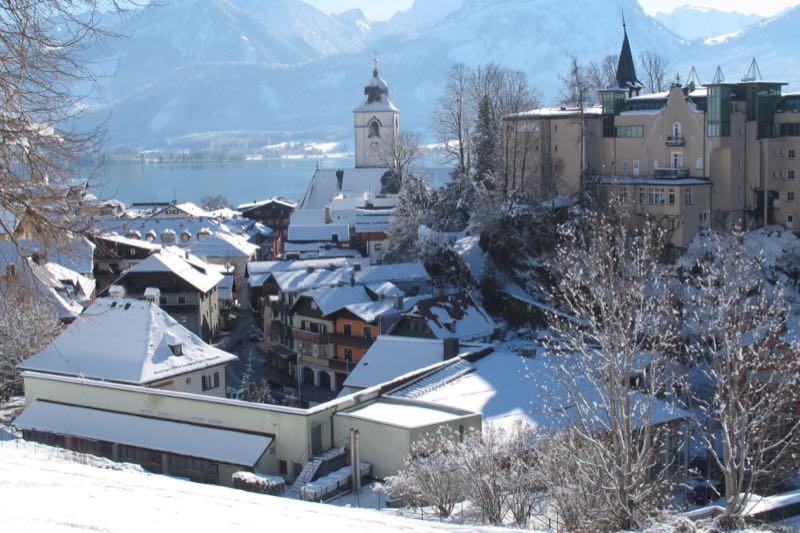
St. Wolfgang
Upper Austria (Wolfgangsee), Austria
St. Wolfgang on Austria's Wolfgangsee houses Michael Pacher's 1481 altarpiece and the Schafbergbahn steam cog railway, climbing to 1,783 m since 1893.
Historic village
Check availability →
 No. 009
Collonges-la-Rouge
Nouvelle-Aquitaine (Corrèze), France
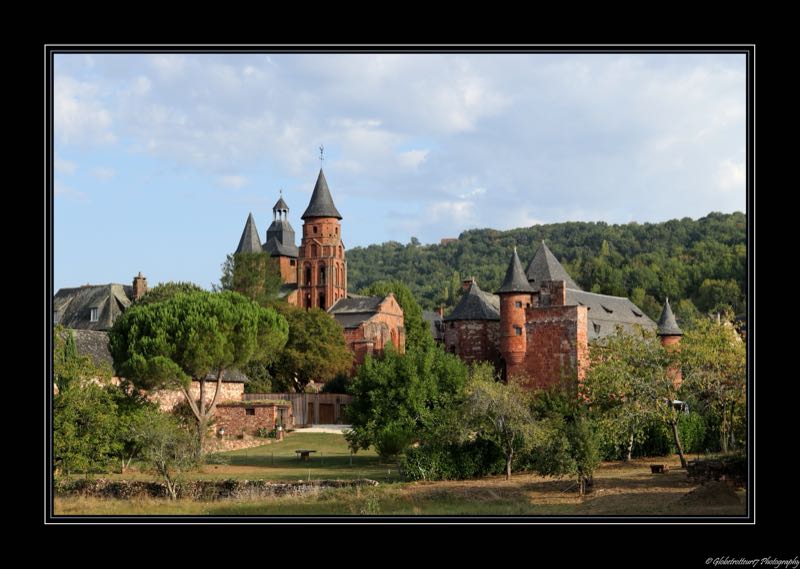
Collonges-la-Rouge in Corrèze, entirely built from red sandstone, was the founding village of Les Plus Beaux Villages de France in 1982.
Les Plus Beaux Villages de France
Check availability →
 No. 010
Domme
Nouvelle-Aquitaine (Dordogne), France
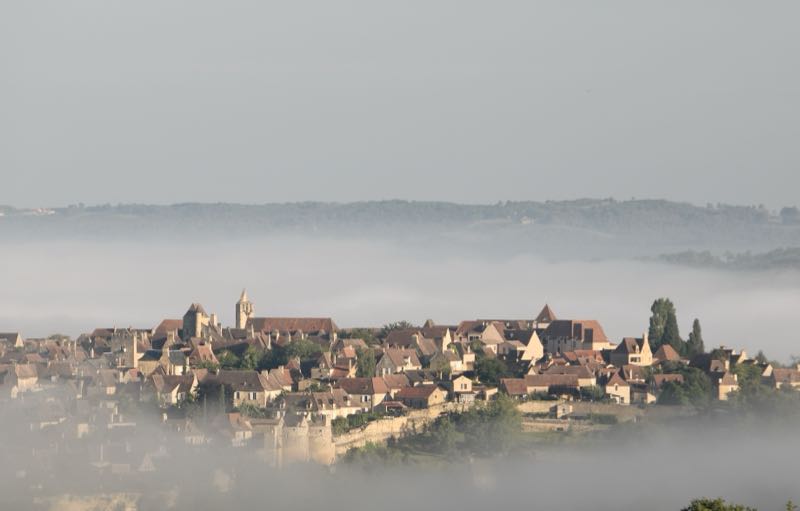
Domme in Périgord Noir is a 13th-century bastide town above the Dordogne valley, its fortified gates and grid streets built for Philippe III in 1281.
Les Plus Beaux Villages de France
Check availability →
No. 011
Eguisheim
Grand Est (Alsace), France
Eguisheim's streets curve in concentric rings around its original medieval fortress, a layout still legible from above.
Les Plus Beaux Villages de France
Check availability →
 No. 012
Gerberoy
Hauts-de-France, France
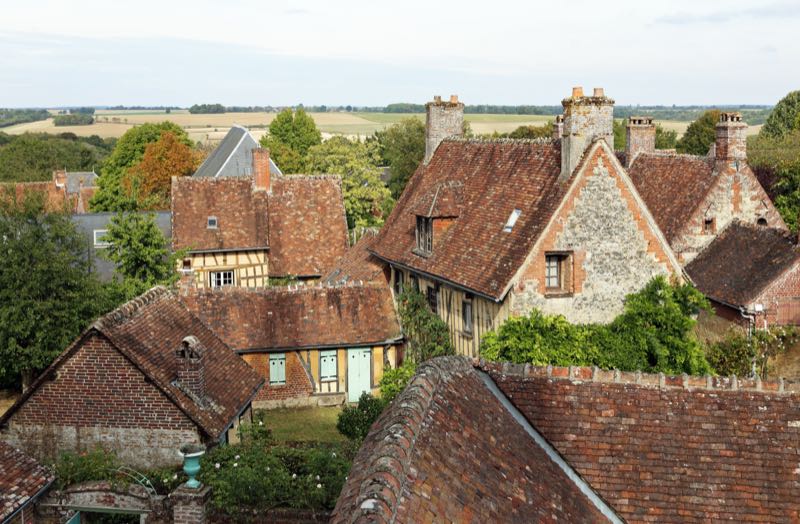
With fewer than a hundred residents, Gerberoy is one of the smallest members of Les Plus Beaux Villages de France.
Les Plus Beaux Villages de France
Check availability →
 No. 013
Gordes
Provence-Alpes-Côte d'Azur, France
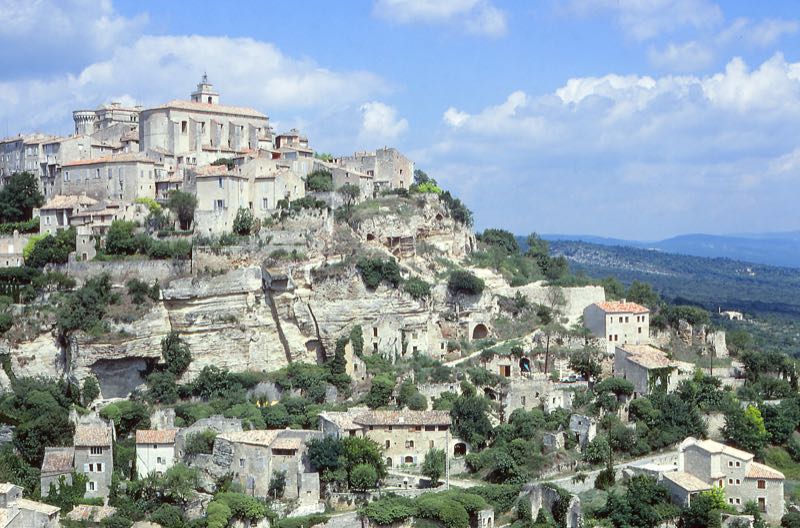
Gordes rises in tiers of pale limestone up a Luberon hillside, its Renaissance château rebuilt in 1525 on the walls of a 12th-century fortress.
Les Plus Beaux Villages de France
Check availability →
 No. 014
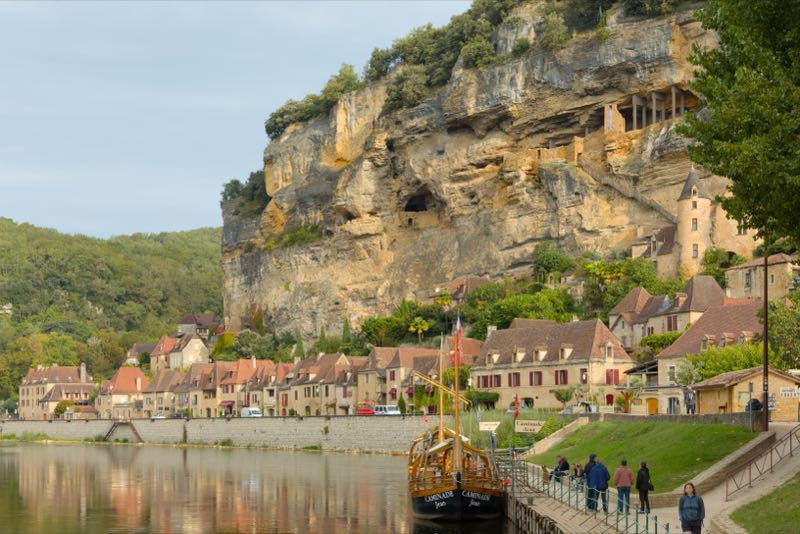
La Roque-Gageac
Nouvelle-Aquitaine, France
Built directly into a limestone cliff above the Dordogne river, La Roque-Gageac once held nearly four times its current population as a working river port.
Les Plus Beaux Villages de France
Check availability →
 No. 015
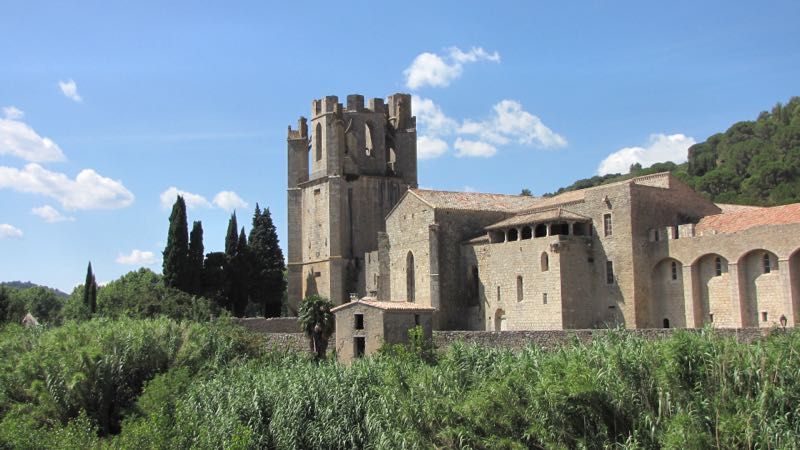
Lagrasse
Occitanie (Aude), France
Lagrasse in the Corbières, Aude, is built around an 8th-century Benedictine abbey still active today, linked to the village by a 1308 stone bridge.
Les Plus Beaux Villages de France
Check availability →
 No. 016
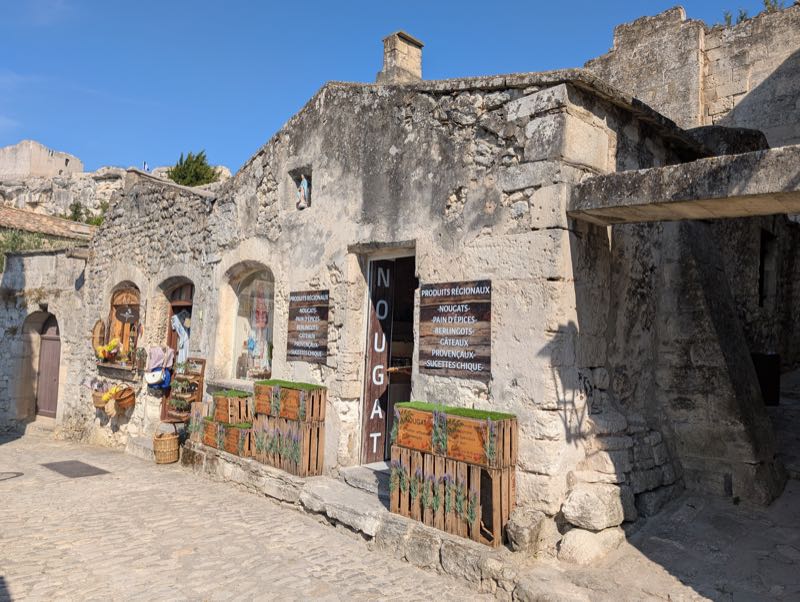
Les Baux-de-Provence
Provence-Alpes-Côte d'Azur (Bouches-du-Rhône), France
Les Baux-de-Provence in the Alpilles crowns a limestone spur with medieval château ruins — the site that gave bauxite its name.
Les Plus Beaux Villages de France
Check availability →
 No. 017
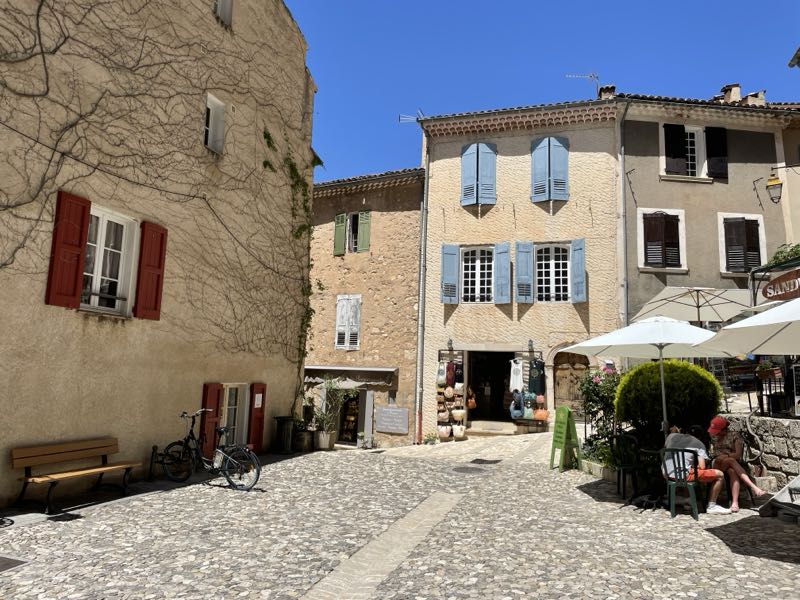
Moustiers-Sainte-Marie
Provence-Alpes-Côte d'Azur, France
Set at the mouth of the Verdon Gorge, Moustiers-Sainte-Marie has been a center of faience pottery production since the 17th century.
Les Plus Beaux Villages de France
Check availability →
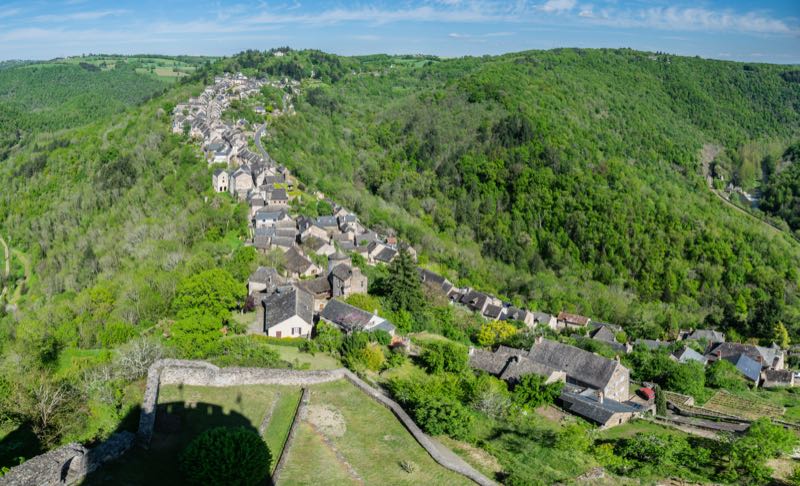 No. 018
Najac
Occitanie, France
Najac stretches along a narrow ridge above a bend in the Aveyron river, with a 13th-century castle anchoring one end.
Les Plus Beaux Villages de France
Check availability →
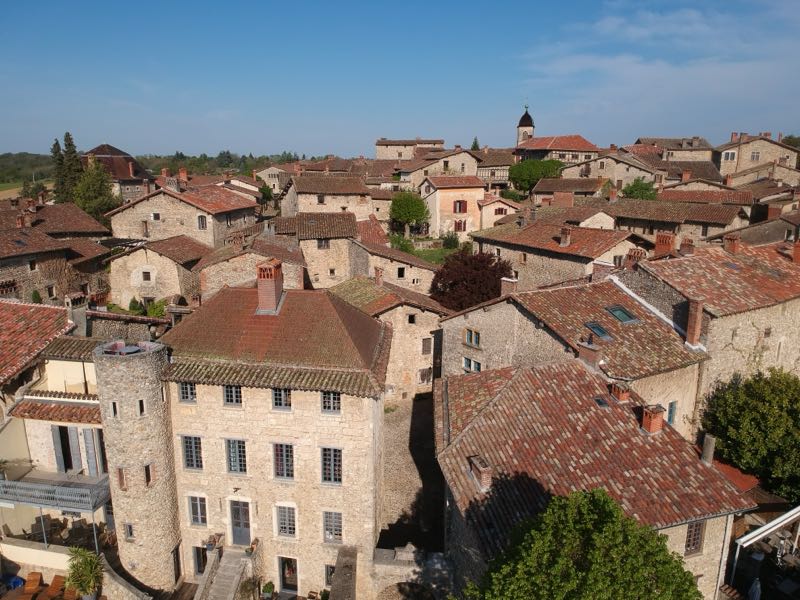 No. 019
Pérouges
Auvergne-Rhône-Alpes (Ain), France
Pérouges near Lyon, a walled medieval village once a linen-weaving centre, is so well preserved it serves repeatedly as a film set for period productions.
Les Plus Beaux Villages de France
Check availability →
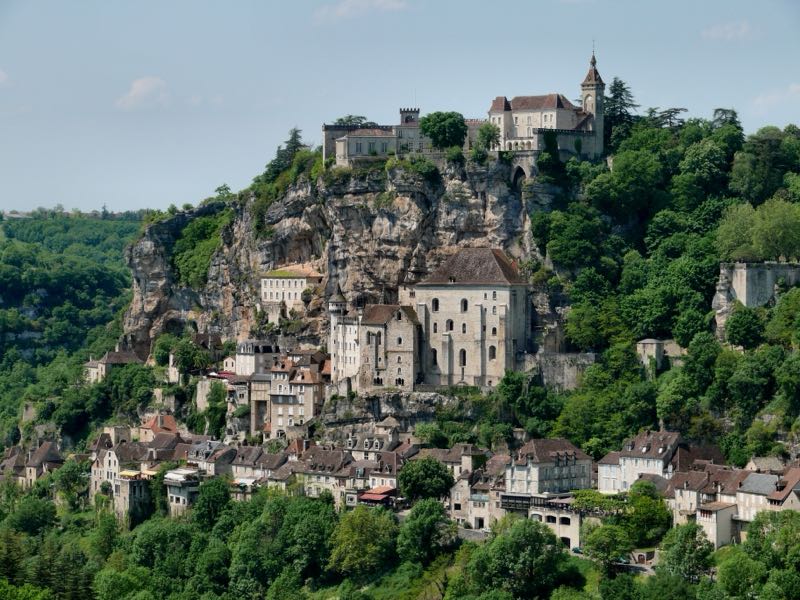 No. 020
Rocamadour
Occitanie (Lot), France
Rocamadour in the Lot climbs 120 m of limestone cliff in three tiers — a major medieval pilgrimage site housing the Black Madonna since the 12th century.
Les Plus Beaux Villages de France
Check availability →
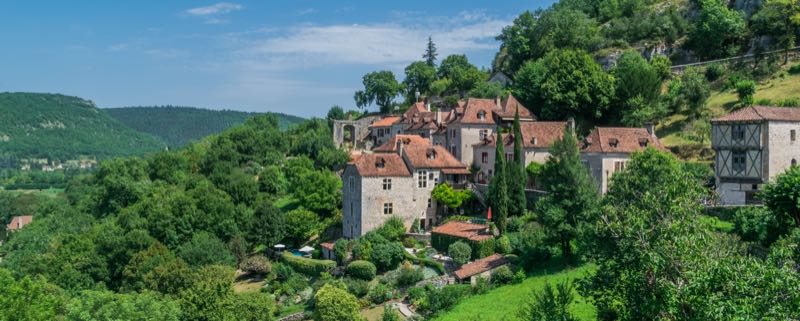 No. 021
Saint-Cirq-Lapopie
Occitanie (Lot), France
Saint-Cirq-Lapopie in the Lot perches 100 m above the river on a cliff — André Breton's adopted village and France's TV-voted favourite in 2012.
Les Plus Beaux Villages de France
Check availability →
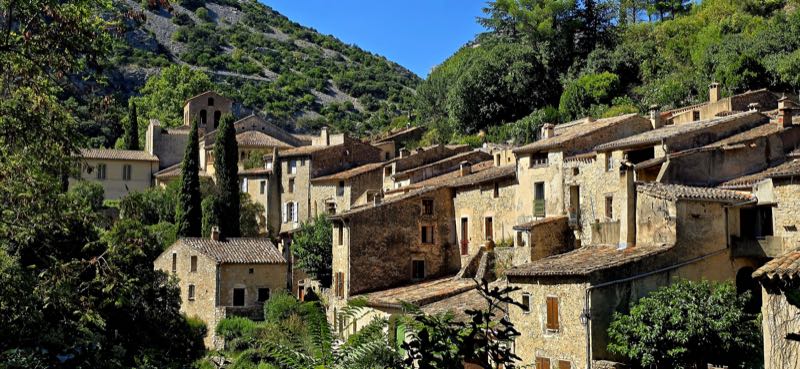 No. 022
Saint-Guilhem-le-Désert
Occitanie, France
Saint-Guilhem-le-Désert grew up around the 9th-century Abbey of Gellone, a stop on the pilgrimage route to Santiago de Compostela that earned the abbey its place on the UNESCO World Heritage list.
UNESCO
Check availability →
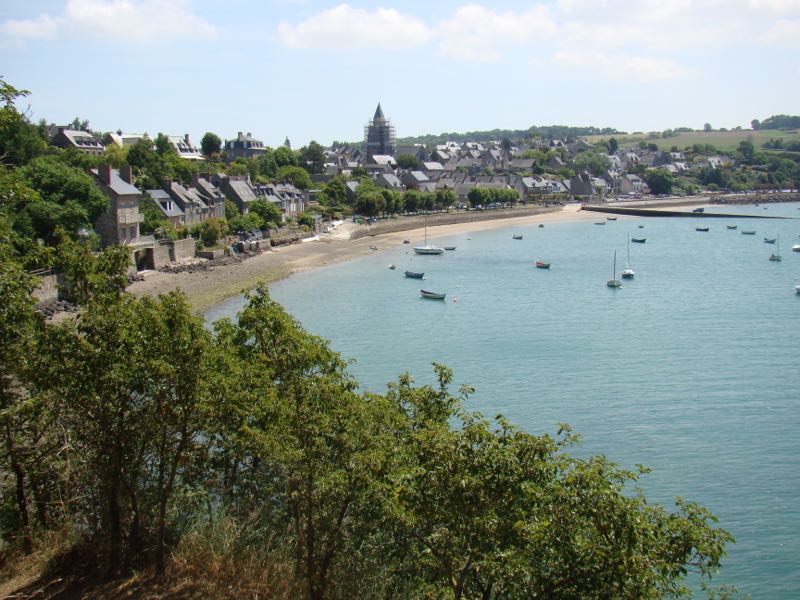 No. 023
Saint-Suliac
Brittany, France
Saint-Suliac sits on the Rance estuary, its slate-roofed houses arranged around a small fishing harbor.
Les Plus Beaux Villages de France
Check availability →
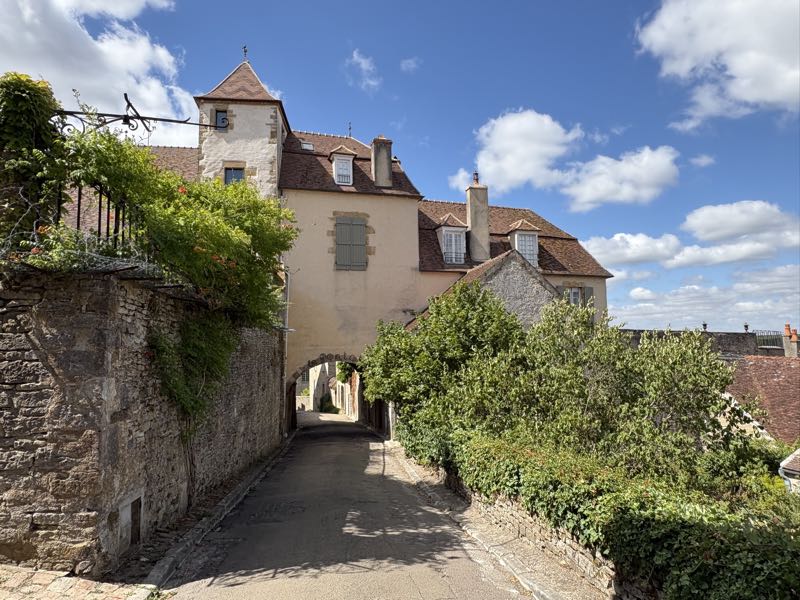 No. 024
Vézelay
Bourgogne-Franche-Comté, France
Vézelay's hilltop basilica, a starting point for medieval pilgrims heading to Santiago de Compostela, is itself inscribed as a UNESCO World Heritage Site.
UNESCO
Check availability →
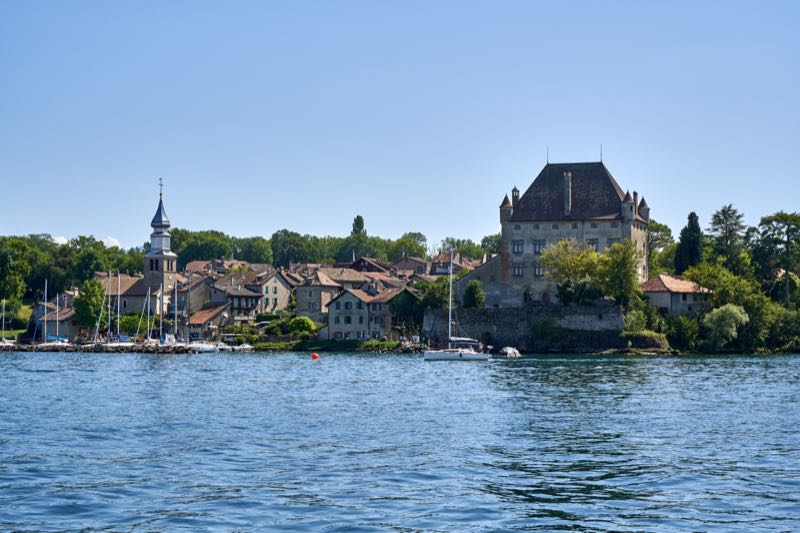 No. 025
Yvoire
Auvergne-Rhône-Alpes (Haute-Savoie), France
Yvoire in Haute-Savoie occupies a 14th-century Savoyard peninsula on Lake Geneva, 24 km from Geneva, its walled medieval core facing Switzerland.
Les Plus Beaux Villages de France
Check availability →
 No. 026
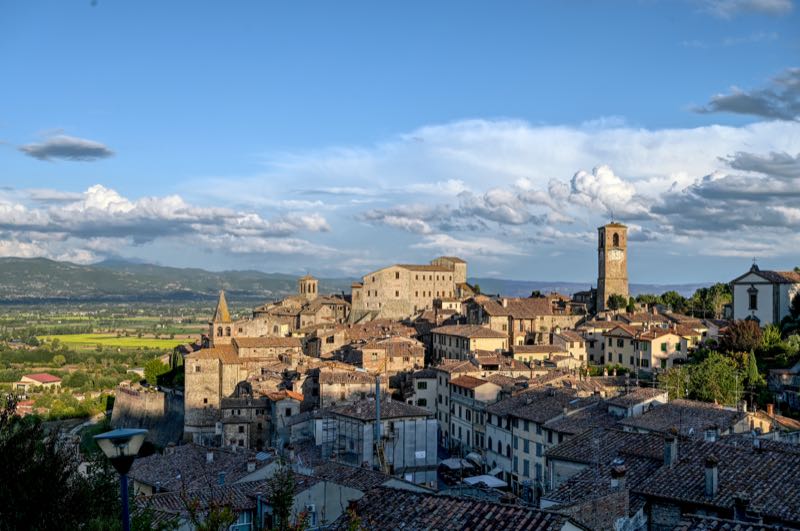
Anghiari
Tuscany (Arezzo), Italy
Anghiari in Tuscany's Valtiberina sits above the plain where the 1440 Battle of Anghiari was fought, the subject of Leonardo da Vinci's lost fresco.
I Borghi più belli d'Italia
Check availability →
 No. 027
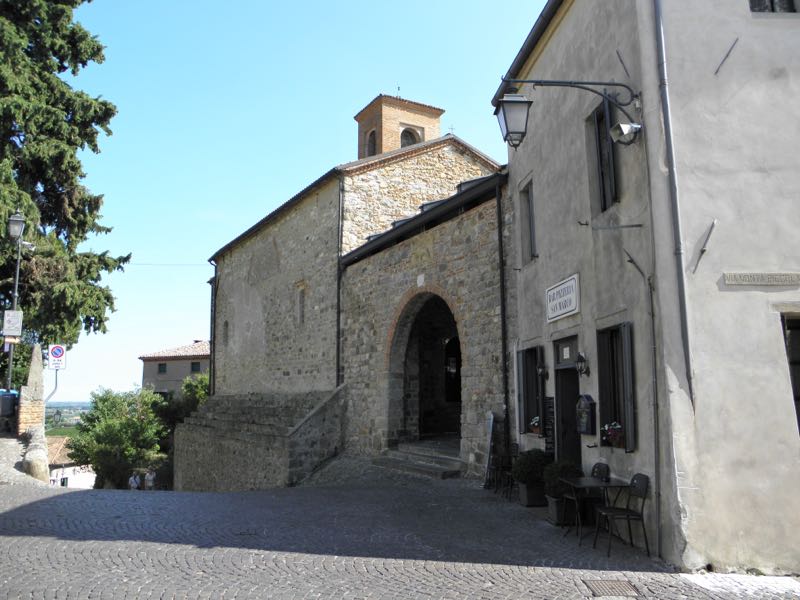
Arquà Petrarca
Veneto (Euganean Hills), Italy
Arquà Petrarca in the Euganean Hills, Veneto, was the final home of Petrarch (1370–1374), whose house and marble tomb still stand in this medieval village.
I Borghi più belli d'Italia
Check availability →
 No. 028
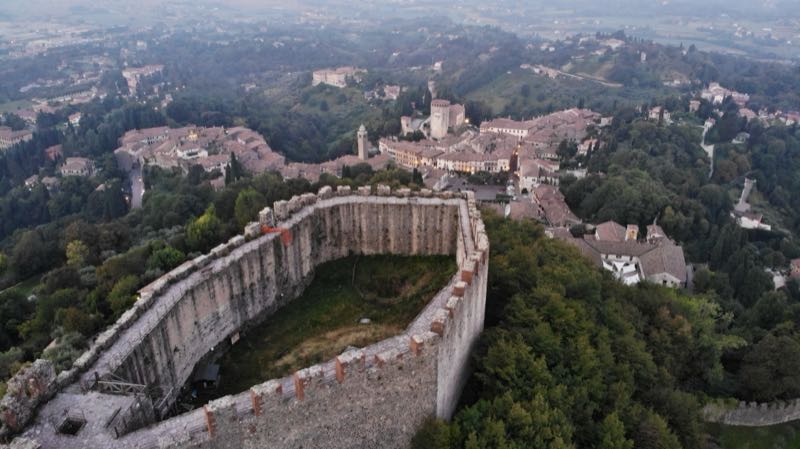
Asolo
Veneto, Italy
Asolo occupies a hilltop above the Prosecco-growing hills of the Veneto, a position that earned it the nickname ‘the city of a hundred horizons.’ Several Palladian villas lie within a short drive.
I Borghi più belli d'Italia
Check availability →
 No. 029
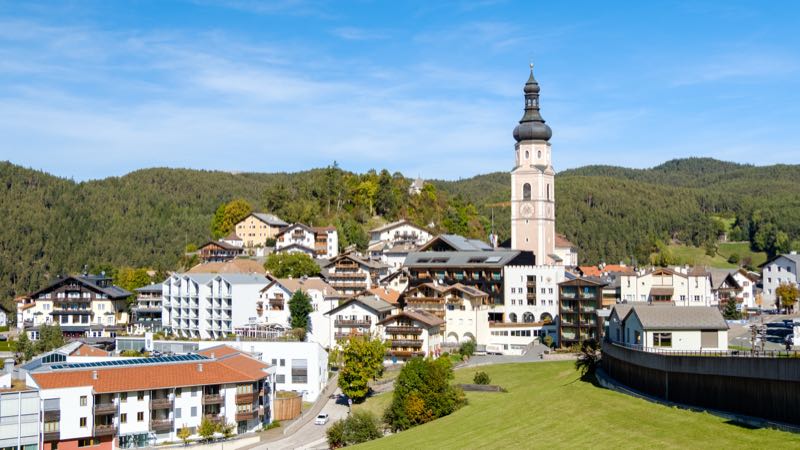
Castelrotto (Kastelruth)
South Tyrol, Italy
Castelrotto sits at the foot of the Alpe di Siusi, the largest high alpine meadow in Europe.
I Borghi più belli d'Italia
Check availability →
 No. 030
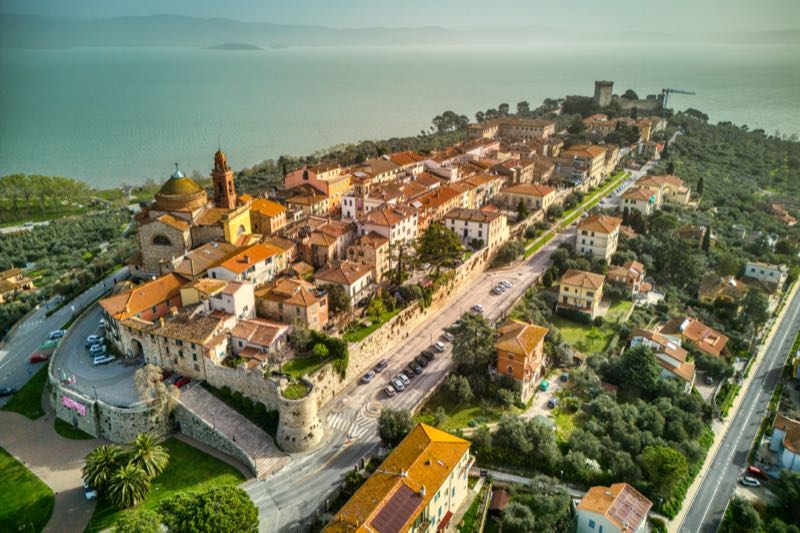
Castiglione del Lago
Umbria, Italy
Castiglione del Lago occupies a promontory surrounded on three sides by Lake Trasimeno.
I Borghi più belli d'Italia
Check availability →
 No. 031
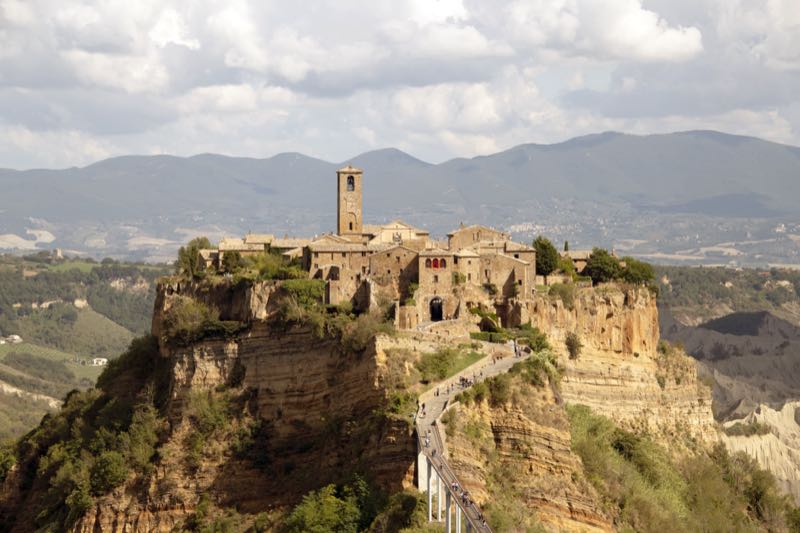
Civita di Bagnoregio
Lazio, Italy
Civita di Bagnoregio stands alone on an eroding tufa pillar, reachable only by a footbridge — no vehicle has ever been able to reach it.
I Borghi più belli d'Italia
Check availability →
 No. 032
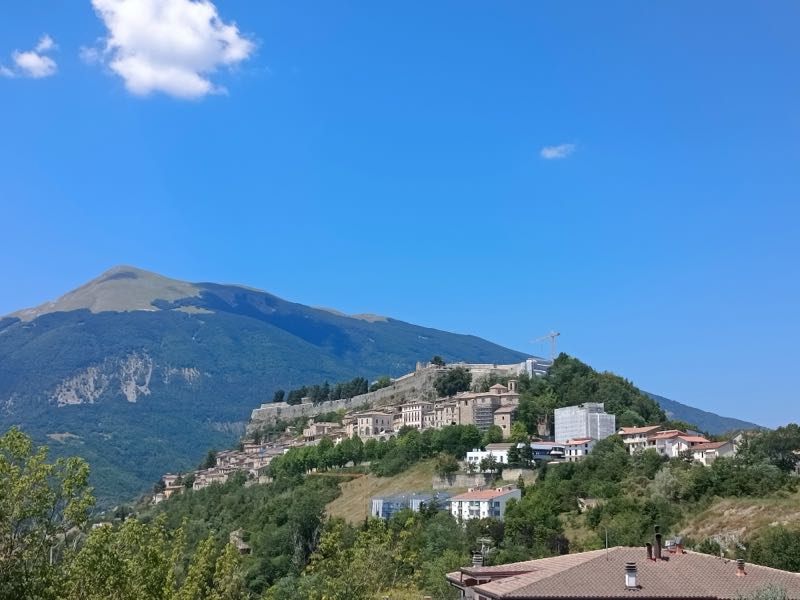
Civitella del Tronto
Abruzzo (Teramo), Italy
Civitella del Tronto in Abruzzo is crowned by Italy's largest fortress, which surrendered last at Italian unification on 20 March 1861.
I Borghi più belli d'Italia
Check availability →
No. 033
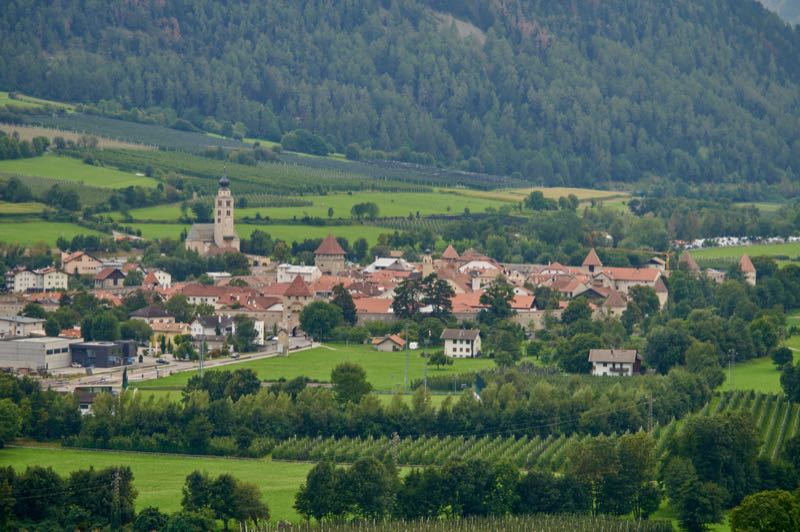
Follina
Veneto (Treviso), Italy
Follina in the Treviso Prealps, Veneto, is built around a 12th-century Cistercian abbey and lies along the UNESCO Prosecco Superiore wine hills.
I Borghi più belli d'Italia
Check availability →
 No. 034
Glorenza (Glurns)
South Tyrol (Vinschgau), Italy
Glorenza (Glurns) in South Tyrol is the Alps' only fully intact walled medieval town, rebuilt after 1499 with walls and towers still standing today.
I Borghi più belli d'Italia
Check availability →
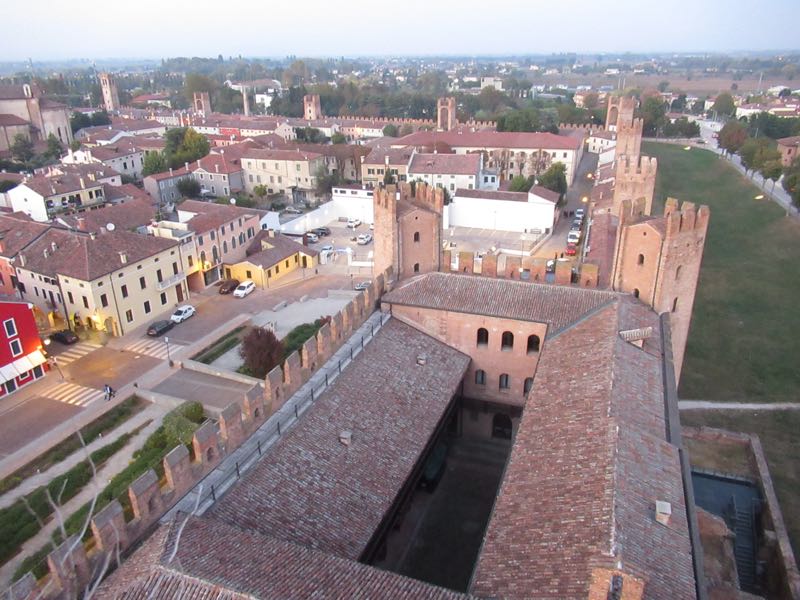 No. 035
Montagnana
Veneto, Italy
Montagnana is encircled by one of the best-preserved sets of medieval city walls in Europe, complete with two fortified gates.
I Borghi più belli d'Italia
Check availability →
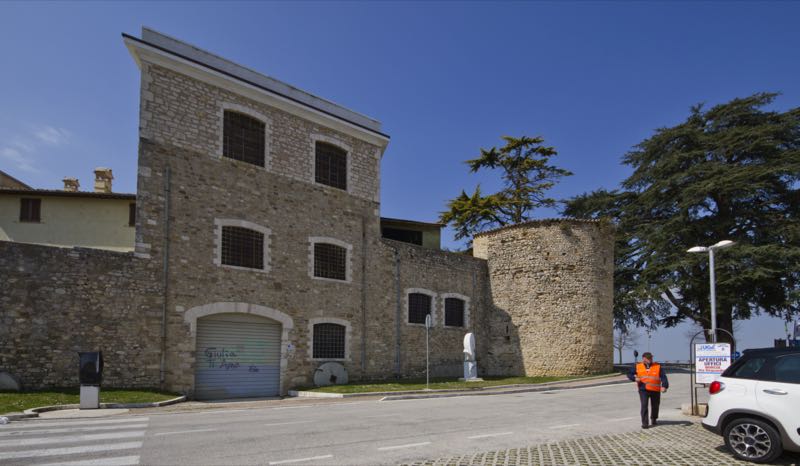 No. 036
Montefalco
Umbria (Perugia), Italy
Montefalco in Umbria, the 'Balcony of Umbria' at 472 m, is the centre of Sagrantino DOCG wine country and houses Benozzo Gozzoli's Renaissance frescoes.
I Borghi più belli d'Italia
Check availability →
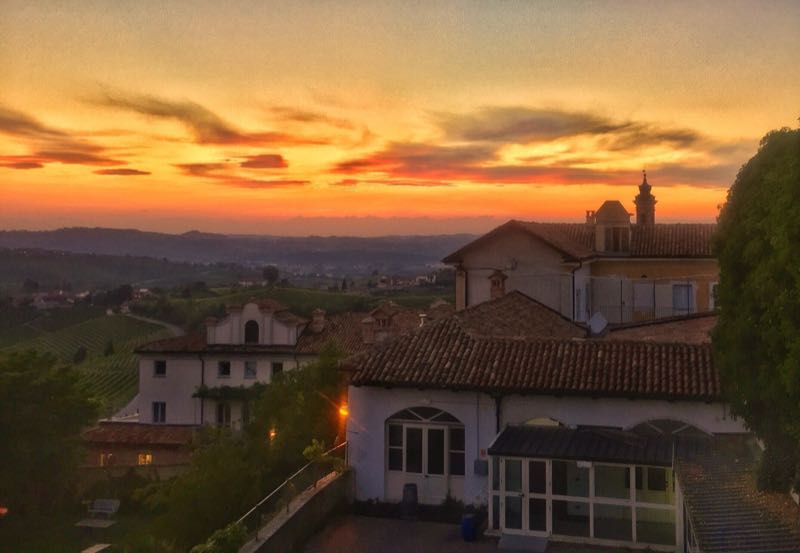 No. 037
Neive
Piedmont (Langhe), Italy
Neive sits among the vineyards of the Langhe, in the heart of Barbaresco wine country — a UNESCO-listed vineyard landscape.
UNESCO
Check availability →
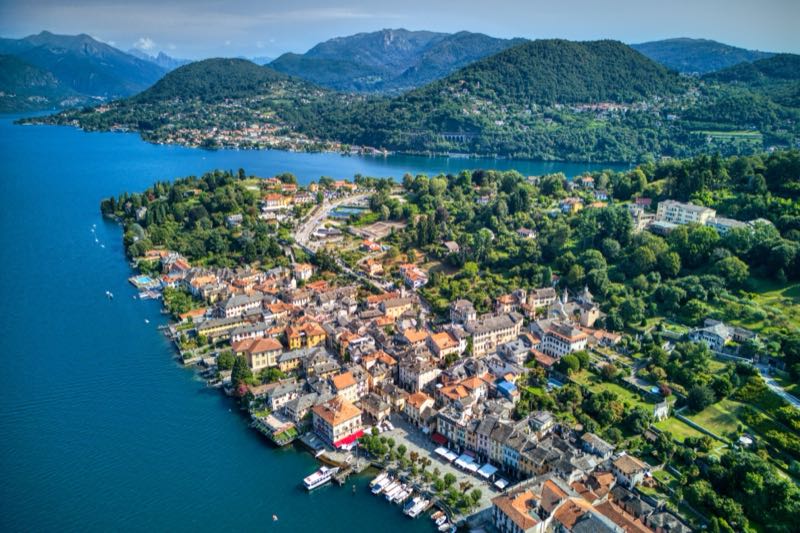 No. 038
Orta San Giulio
Piedmont, Italy
Orta San Giulio occupies a promontory on Lake Orta, facing the small Isola San Giulio just offshore.
I Borghi più belli d'Italia
Check availability →
 No. 039
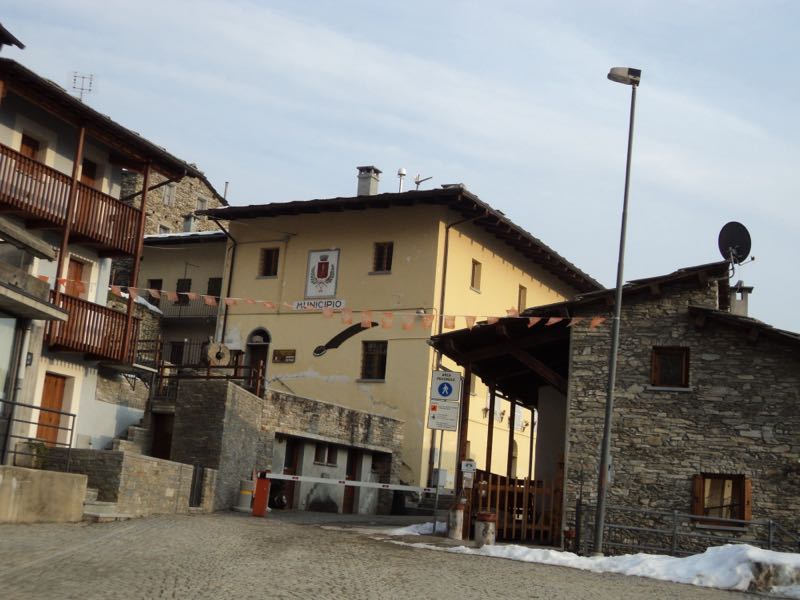
Ostana
Piedmont (Cuneo), Italy
Ostana in the Cuneo Alps, an Occitan village at 1,250 m that reversed near-total depopulation through strict traditional architecture restoration.
I Borghi più belli d'Italia
Check availability →
No. 040
Pitigliano
Tuscany (Maremma), Italy
Pitigliano rises directly from a tufa cliff in Tuscany's Maremma, its buildings seemingly continuous with the rock beneath them.
I Borghi più belli d'Italia
Check availability →
 No. 041
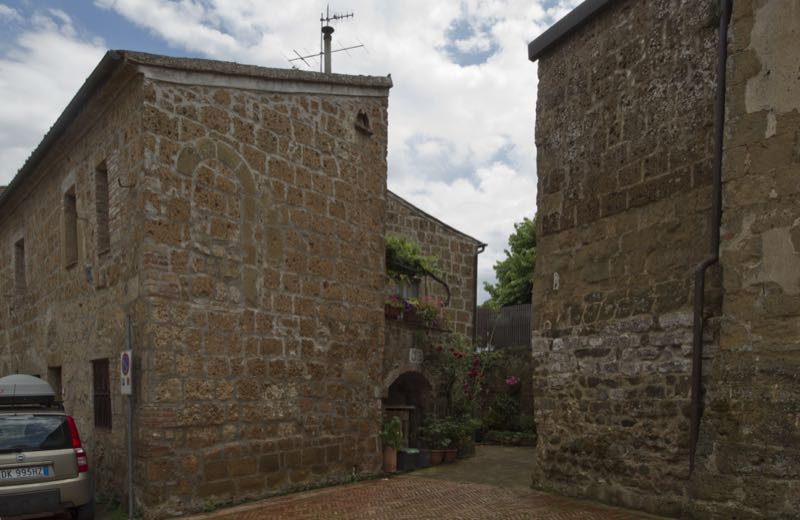
Sovana
Tuscany (Maremma), Italy
Sovana, a frazione of Sorano with barely more than a hundred residents, sits above an Etruscan necropolis carved into the surrounding tufa cliffs.
I Borghi più belli d'Italia
Check availability →
No. 042
Spello
Umbria, Italy
Spello climbs a ridge of Monte Subasio in Umbria, its Roman and medieval layers visible in the same walls.
I Borghi più belli d'Italia
Check availability →
 No. 043
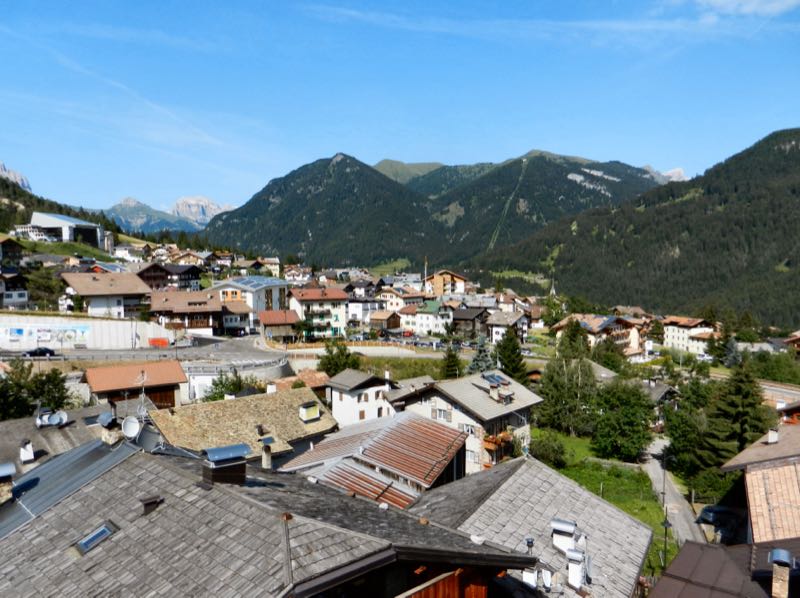
Vigo di Fassa
Trentino (Val di Fassa), Italy
Vigo di Fassa sits at 1 382 m in the Ladin-speaking Val di Fassa. Gateway to the Catinaccio, home of the Museo Ladin de Fascia.
I Borghi più belli d'Italia
Check availability →
 No. 044
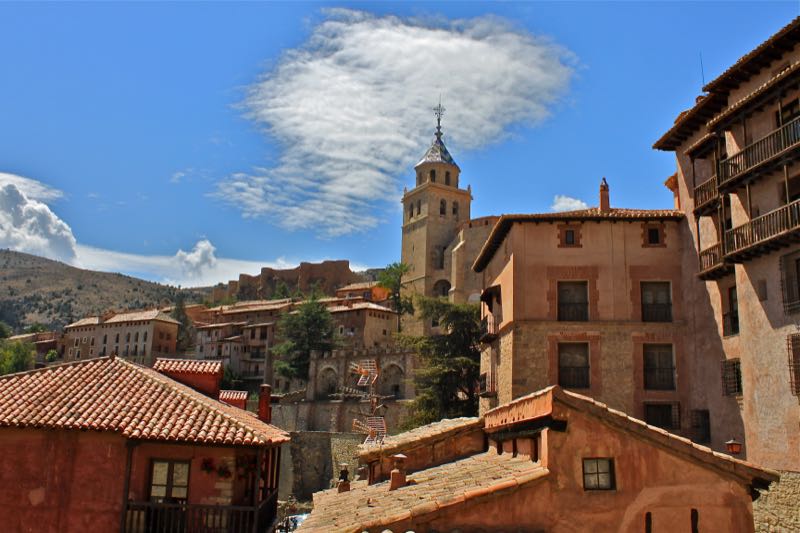
Albarracín
Aragon (Teruel), Spain
Albarracín in Teruel wraps a Guadalaviar river loop at 1,171 m, its salmon-pink medieval walls nearly intact, surrounded by UNESCO-listed Neolithic rock art.
Los Pueblos más Bonitos de España
Check availability →
 No. 045
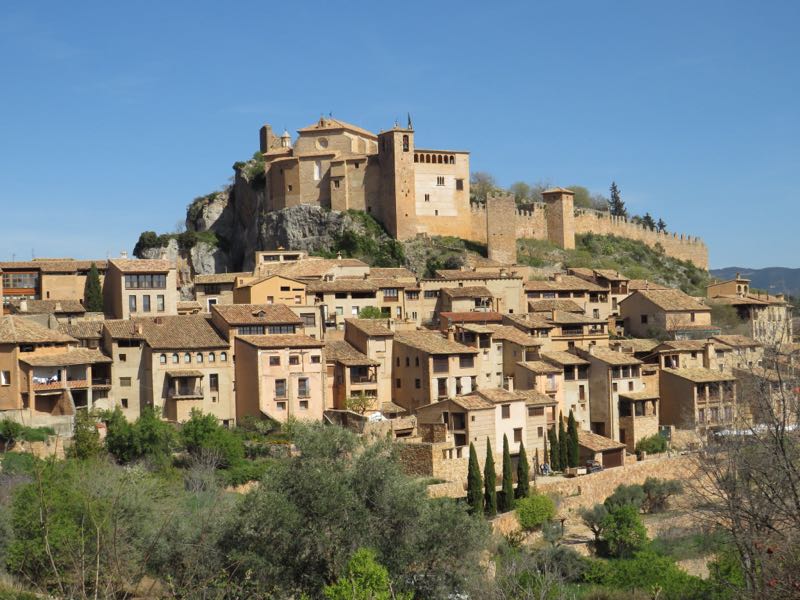
Alquézar
Aragon (Huesca), Spain
Alquézar in Huesca sits on a limestone spur above the Río Vero canyon, its name from the Arabic al qasr, with a Collegiate church founded in 1099.
Los Pueblos más Bonitos de España
Check availability →
 No. 046
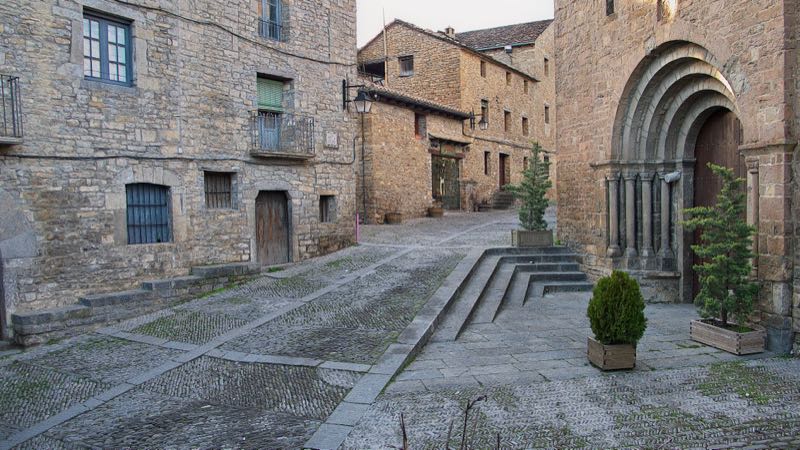
Aínsa
Aragon (Huesca), Spain
Aínsa in the Sobrarbe Pyrenees commands a promontory at two rivers' confluence, its 11th-century walled old town the former capital of the Kingdom of Sobrarbe.
Los Pueblos más Bonitos de España
Check availability →
 No. 047
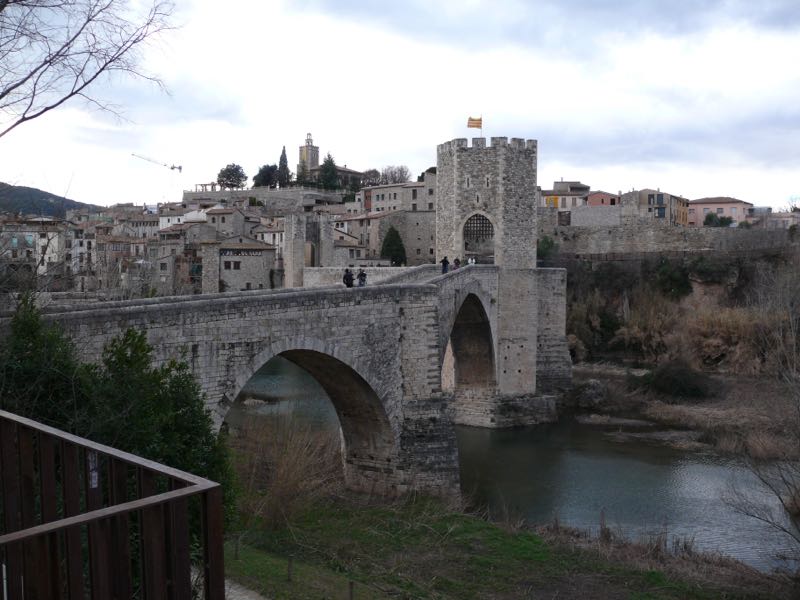
Besalú
Catalonia (Girona), Spain
Besalú in Girona, former capital of the County of Besalú, is defined by its 12th-century Romanesque bridge over the Fluvià and a rare restored medieval mikveh.
Conjunto Histórico-Artístico Naci…
Check availability →
 No. 048
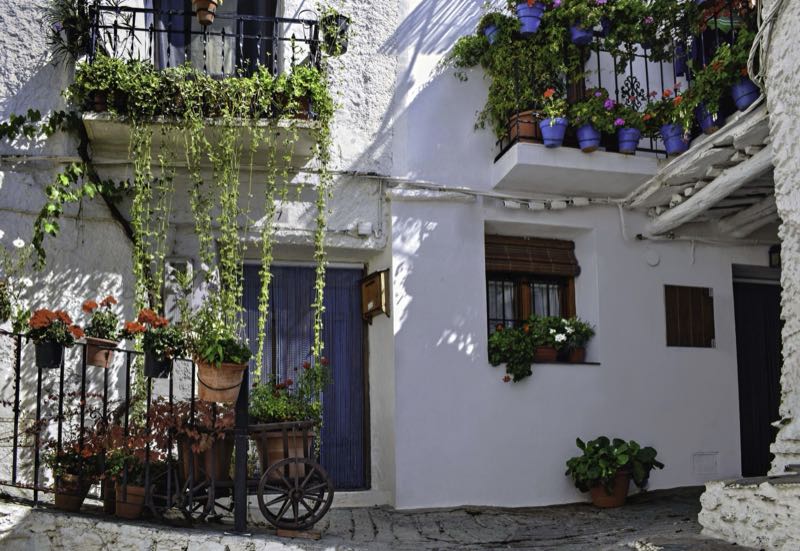
Capileira
Andalusia (Granada), Spain
Capileira at 1,436 m in Las Alpujarras, Sierra Nevada, is the highest village in the Poqueira gorge and the standard base for climbing Mulhacén.
Los Pueblos más Bonitos de España
Check availability →
 No. 049
Comillas
Cantabria, Spain
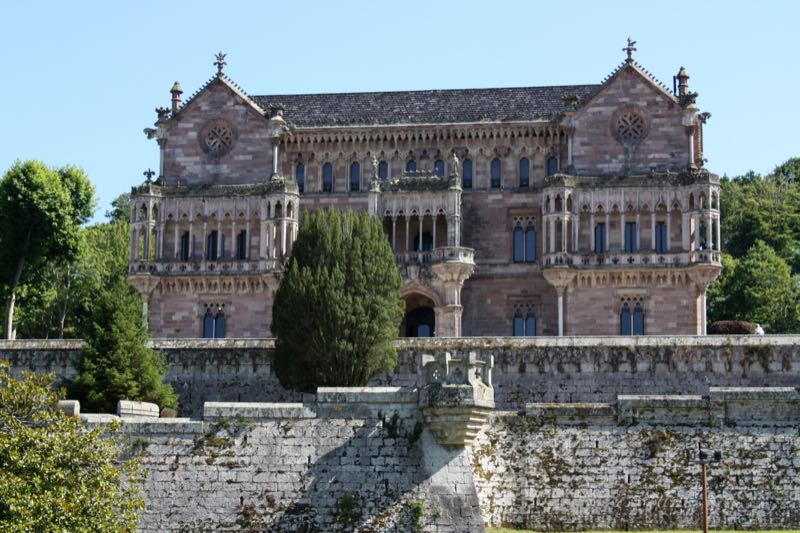
Comillas pairs a medieval core with an unusual concentration of late-19th-century modernist architecture, including El Capricho, one of only a handful of buildings Antoni Gaudí completed outside Catalonia.
Los Pueblos más Bonitos de España
Check availability →
 No. 050
Frigiliana
Andalusia (Málaga), Spain
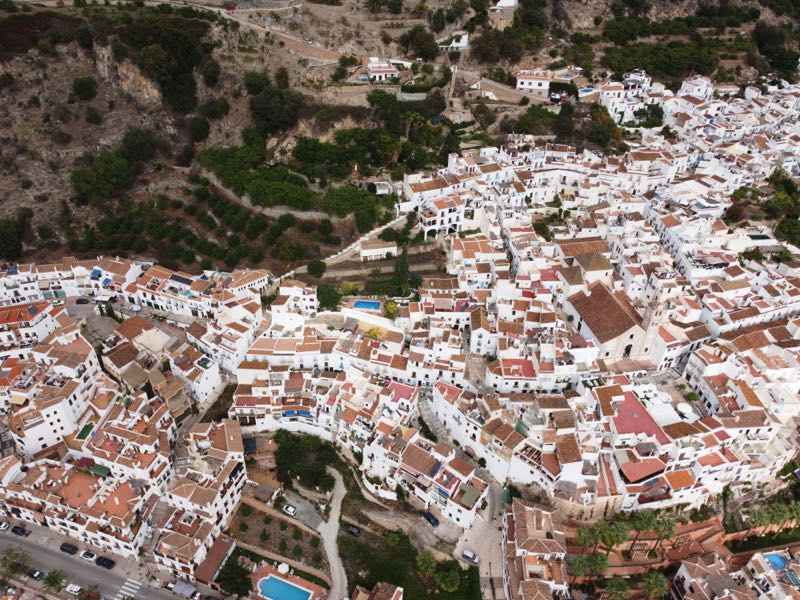
Frigiliana in the Málaga Axarquía preserves Andalusia's best Moorish barrio, its street panels depicting the 1569 last stand of the Morisco population.
Los Pueblos más Bonitos de España
Check availability →
No. 051
Frías
Castile and León (Burgos), Spain
Frías holds the formal, centuries-old title of Spain's smallest city, granted by King Juan II in 1435.
Los Pueblos más Bonitos de España
Check availability →
 No. 052
Grazalema
Andalusia (Cádiz), Spain
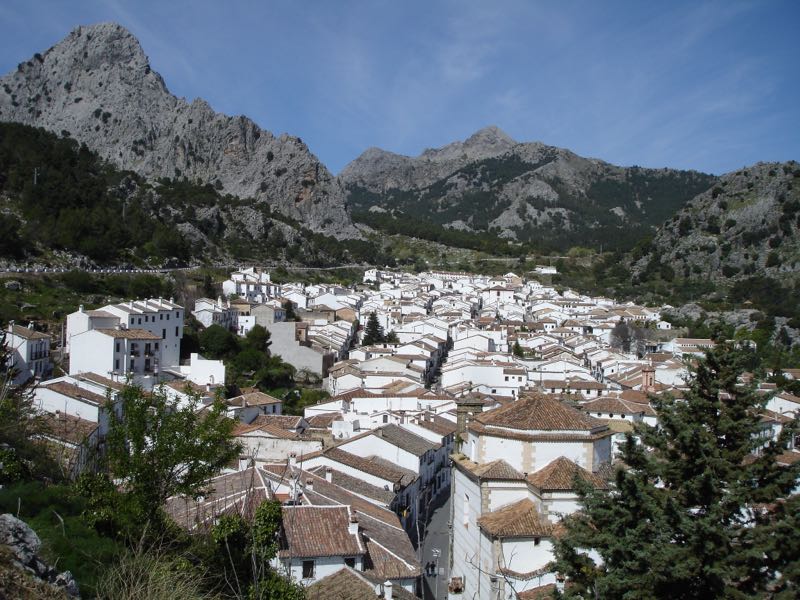
Grazalema is the highest of the white villages of the Sierra de Cádiz, set inside Spain's wettest natural park.
Los Pueblos más Bonitos de España
Check availability →
 No. 053
La Alberca
Castile and León (Salamanca), Spain
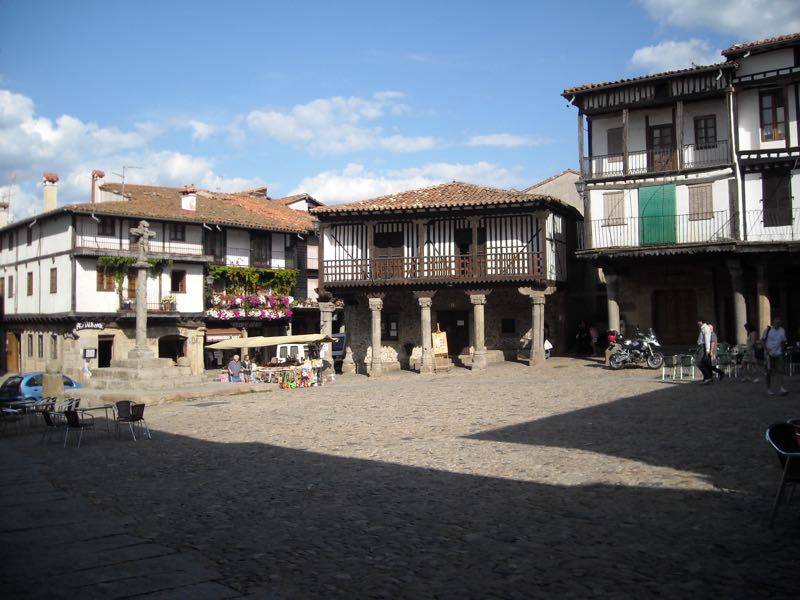
La Alberca was the first village in Spain to be granted national historic-monument status, in 1940.
Los Pueblos más Bonitos de España
Check availability →
 No. 054
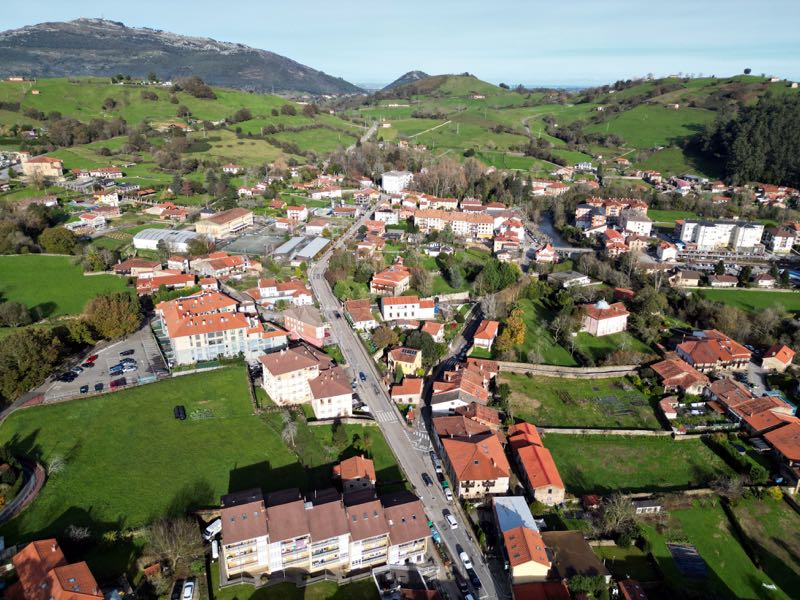
Liérganes
Cantabria, Spain
Liérganes sits on the Miera river beneath a row of grand 'indiano' mansions, built by villagers who returned wealthy from the Americas.
Los Pueblos más Bonitos de España
Check availability →
 No. 055
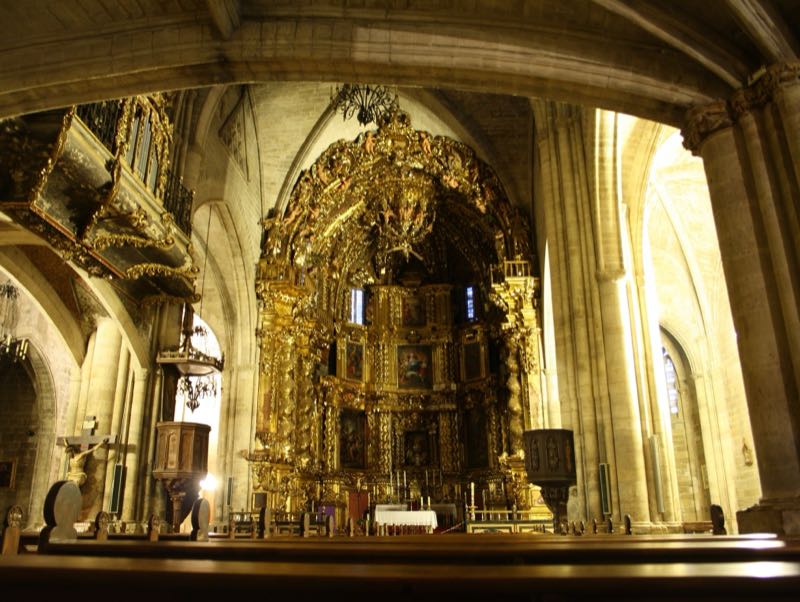
Morella
Valencia (Castellón), Spain
Morella in Castellón at 1,004 m is enclosed by its original 2,500-metre medieval walls, crowned by a castle above a 14th-century Gothic basilica.
Los Pueblos más Bonitos de España
Check availability →
 No. 056
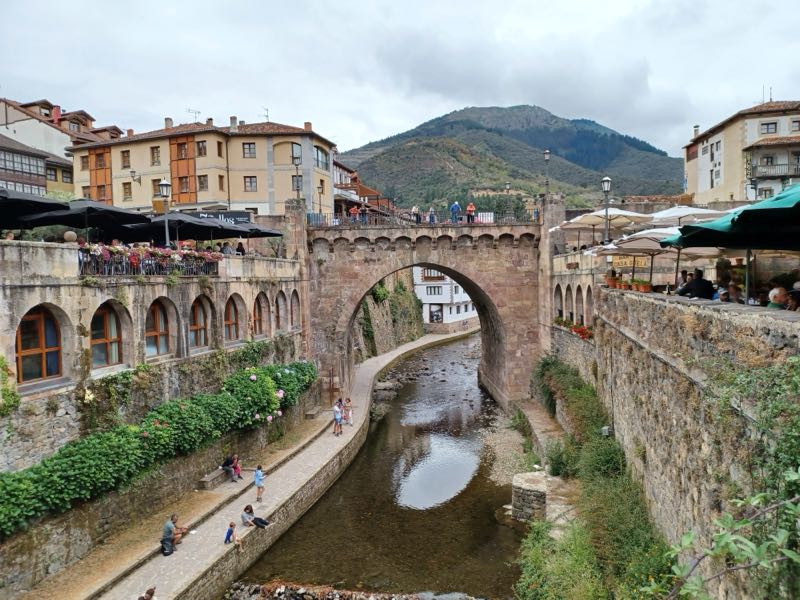
Potes
Cantabria, Spain
Potes sits at the confluence of four valleys in the Picos de Europa, its medieval bridges and a fortified tower marking the gateway into the mountain range.
Los Pueblos más Bonitos de España
Check availability →
 No. 057
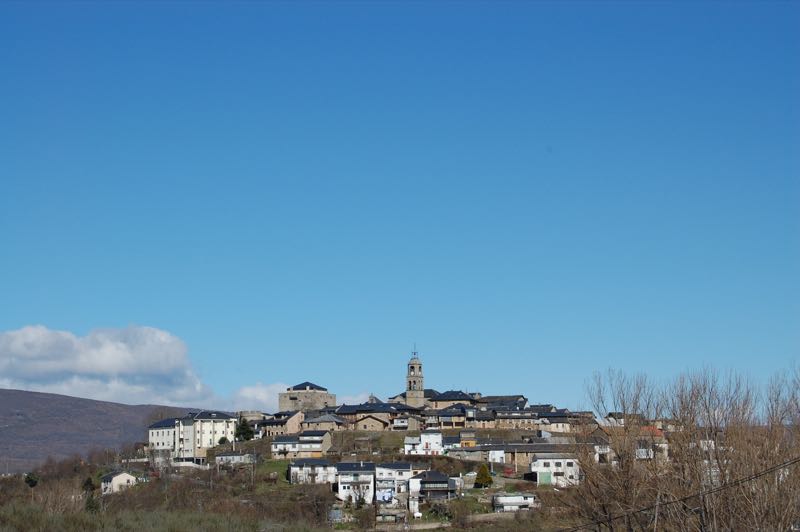
Puebla de Sanabria
Castile and León (Zamora), Spain
Puebla de Sanabria in Zamora commands a hilltop with a 15th-century frontier castle above the Tera river, gateway to Iberia's largest glacial lake.
Los Pueblos más Bonitos de España
Check availability →
 No. 058
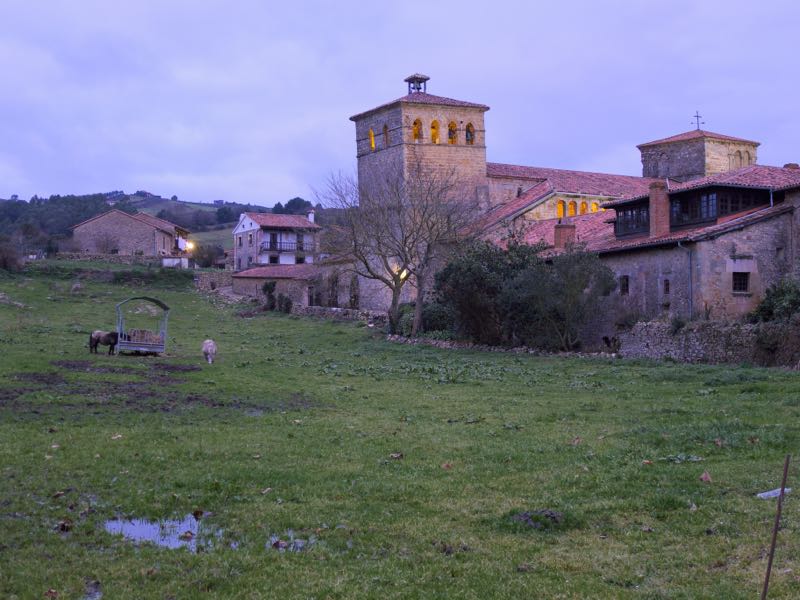
Santillana del Mar
Cantabria, Spain
Santillana del Mar's historic center is closed to motor vehicles, its stone streets unchanged enough to have earned the town the nickname 'the town of three lies' — it is neither holy, flat, nor by the sea.
Los Pueblos más Bonitos de España
Check availability →
 No. 059
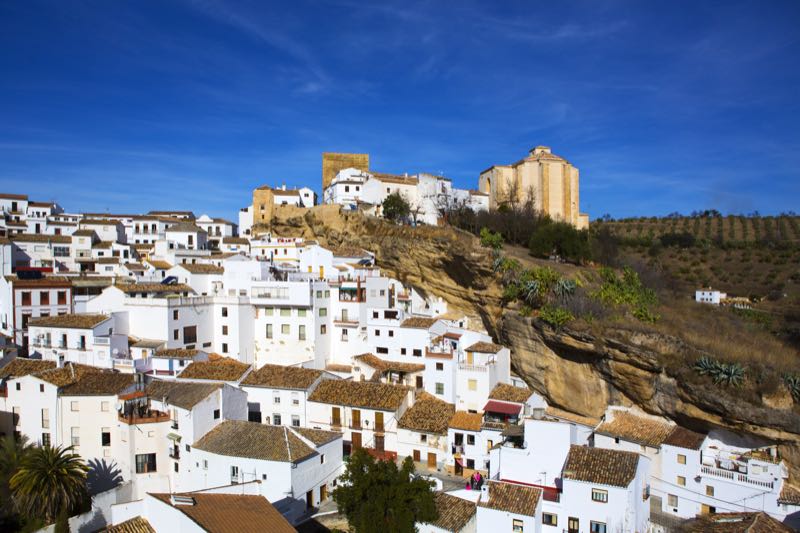
Setenil de las Bodegas
Andalusia (Cádiz), Spain
Setenil de las Bodegas is built directly under and into overhanging rock along the Rio Trejo canyon, with entire streets sheltered by stone ceilings rather than open sky.
Los Pueblos más Bonitos de España
Check availability →
 No. 060
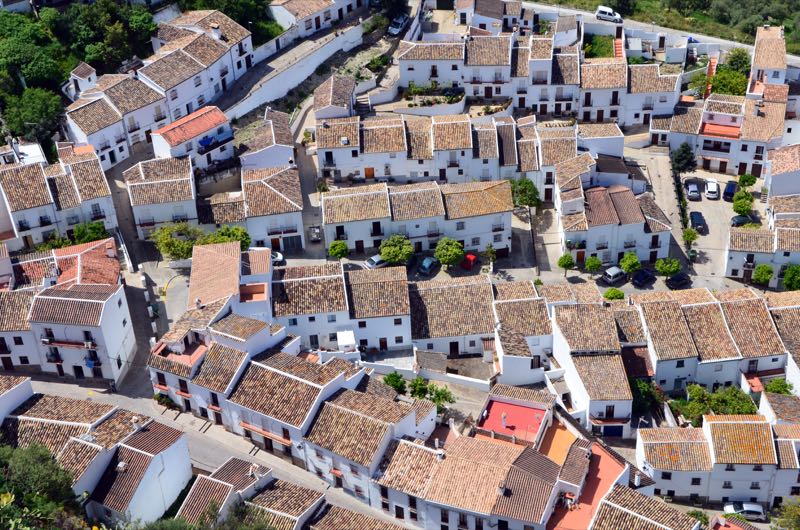
Zahara de la Sierra
Andalusia (Cádiz), Spain
Zahara de la Sierra is built beneath a Moorish castle ruin, overlooking a turquoise reservoir that floods what was once the valley floor below — one of the smaller and steeper of the Cádiz pueblos blancos.
Los Pueblos más Bonitos de España
Check availability →
No. 061
Alberobello
Apulia (Metropolitan City of Bari), Italy
Alberobello in Apulia is built of trulli, dry-stone huts with conical roofs, UNESCO-listed since 1996. Its Rione Monti district remains fully inhabited.
UNESCO
Check availability →
 No. 062
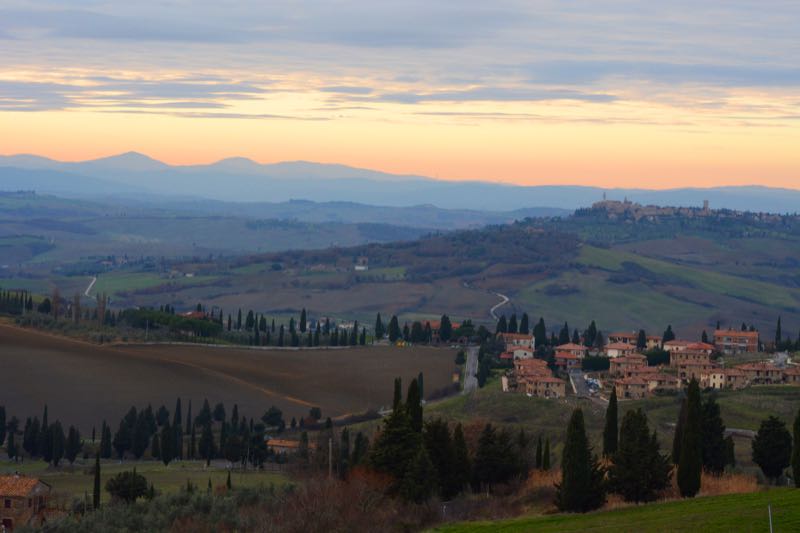
Pienza
Tuscany (Province of Siena), Italy
Pienza in Tuscany's Val d'Orcia was rebuilt as an ideal Renaissance town for Pope Pius II in 1459, designed by Bernardo Rossellino. UNESCO-listed since 1996.
UNESCO
Check availability →
 No. 063
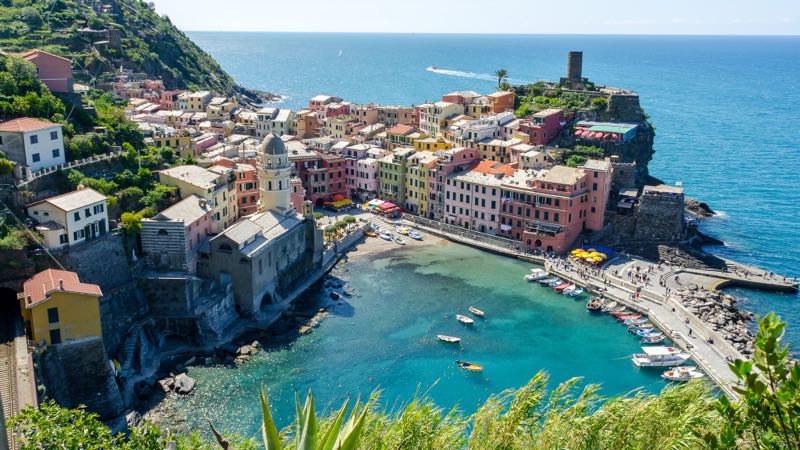
Vernazza
Liguria (Province of La Spezia), Italy
Vernazza is the only natural port of the Cinque Terre, a UNESCO-listed coastal landscape in Liguria since 1997, built around a fortified fishing harbor.
UNESCO
Check availability →
No. 064
Manarola
Liguria (Province of La Spezia, frazione of Riomaggiore), Italy
Manarola is the smallest inhabited Cinque Terre village, part of Italy's UNESCO-listed coastal landscape, known for terraced vineyards and cliffside houses.
UNESCO
Check availability →
No. 065
Mont-Saint-Michel
Normandy (Manche), France
Mont-Saint-Michel is a tidal island village of 23 residents in Normandy, UNESCO-listed since 1979, crowned by a Benedictine abbey amid 14-metre tides.
UNESCO
Check availability →
 No. 066
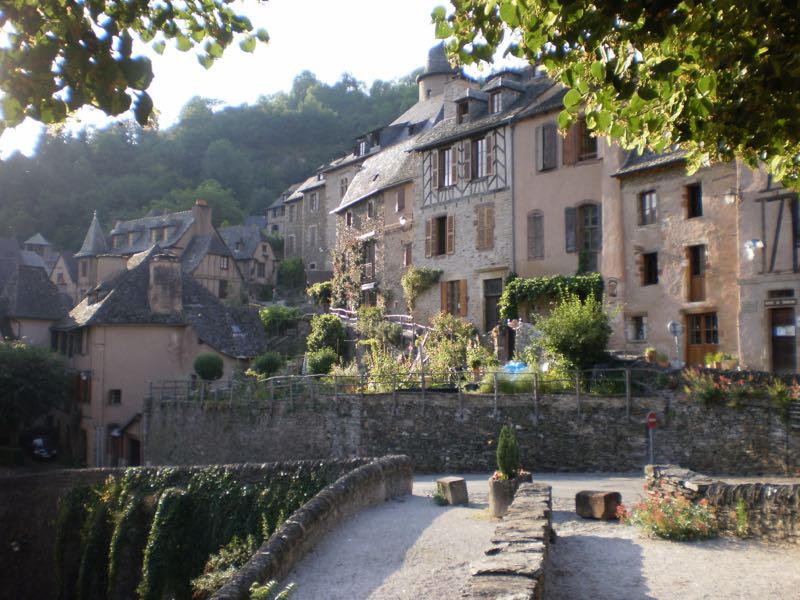
Conques
Occitanie (Aveyron, commune of Conques-en-Rouergue), France
Conques is a steep Aveyron valley village on the Camino de Santiago, UNESCO-listed since 1998 for its Romanesque Abbey Church of Sainte-Foy.
UNESCO
Check availability →
 No. 067
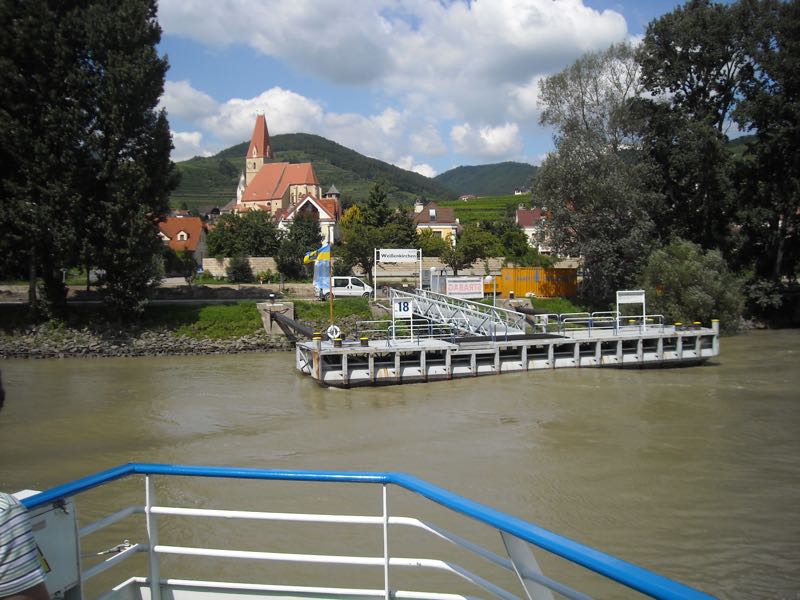
Weißenkirchen in der Wachau
Lower Austria (Krems-Land), Austria
Weißenkirchen in der Wachau is a Danube wine village in Austria's UNESCO-listed Wachau Cultural Landscape, known for its fortified church and cable ferry.
UNESCO
Check availability →
 No. 068
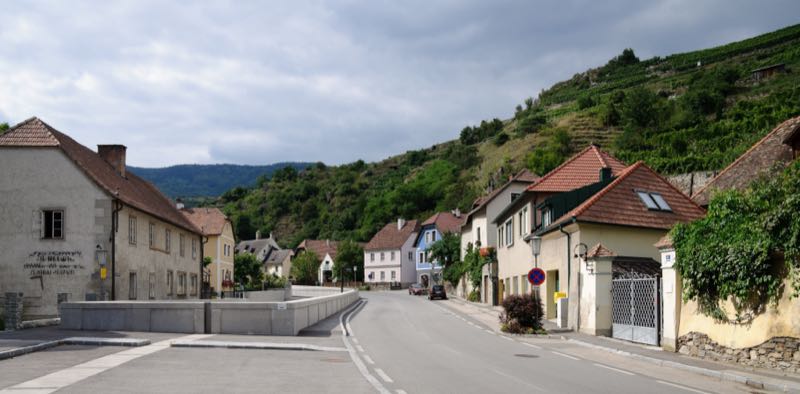
Spitz
Lower Austria (Krems-Land), Austria
Spitz an der Donau is an Austrian wine village in the UNESCO-listed Wachau valley, overlooked by the Tausendeimerberg vineyard and Hinterhaus ruin.
UNESCO
Check availability →
By country
UNESCO World Heritage
By terrain
Hilltop Villages (17)Hillside Villages (7)Riverside Villages (9)Mountain Villages (10)Lakeside & Coastal Villages (11)Valley & Plain Villages (7)Gorge & Canyon Villages (6)
By occasion
Photography Destinations (28)Road Trip Stops (16)Weekend Trips (12)Family-Friendly Villages (11)Hiking Bases (9)Wine Country Villages (6)Lakeside & Coastal Escapes (5)
By architectural style
Half-Timbered Villages (3)Pueblos Blancos — Whitewashed Andalusia (3)Tufa Hill Towns of Central Italy (3)
Near a shared airport
Sixty-eight villages you can actually get to. Each one tells you where it stands, the nearest airport and the nearest station, what makes it worth the journey, and where to stay when you arrive — from an island the tide cuts off twice a day to a village on a tufa pillar you can only reach on foot.
Every figure on these pages traces to a public source. Where we couldn't verify one, we left it blank.