Terrain
Hilltop Villages
Villages built on a rise — a defensive position first, a viewpoint always.
17 villages
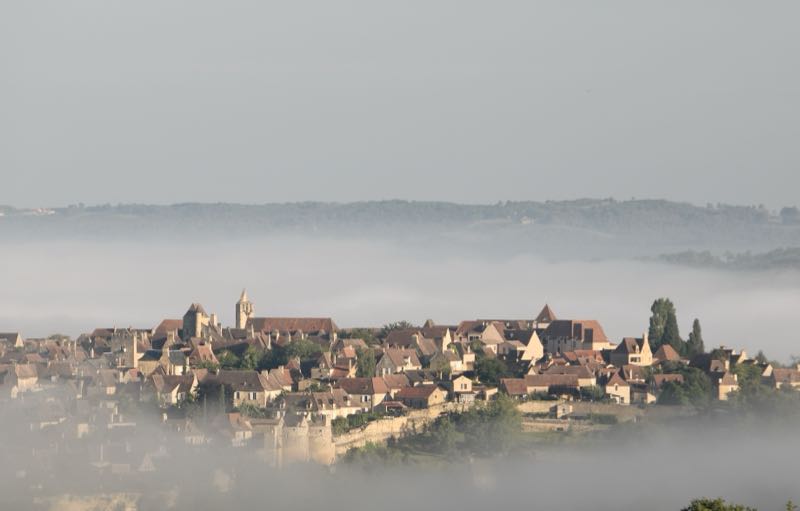 No. 010
Domme
Nouvelle-Aquitaine (Dordogne), France
Domme in Périgord Noir is a 13th-century bastide town above the Dordogne valley, its fortified gates and grid streets built for Philippe III in 1281.
Les Plus Beaux Villages de France
Check availability →
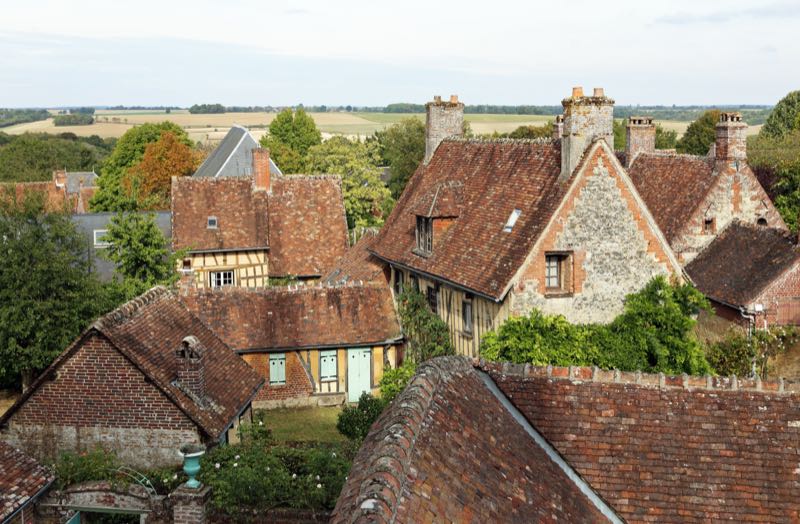 No. 012
Gerberoy
Hauts-de-France, France
With fewer than a hundred residents, Gerberoy is one of the smallest members of Les Plus Beaux Villages de France.
Les Plus Beaux Villages de France
Check availability →
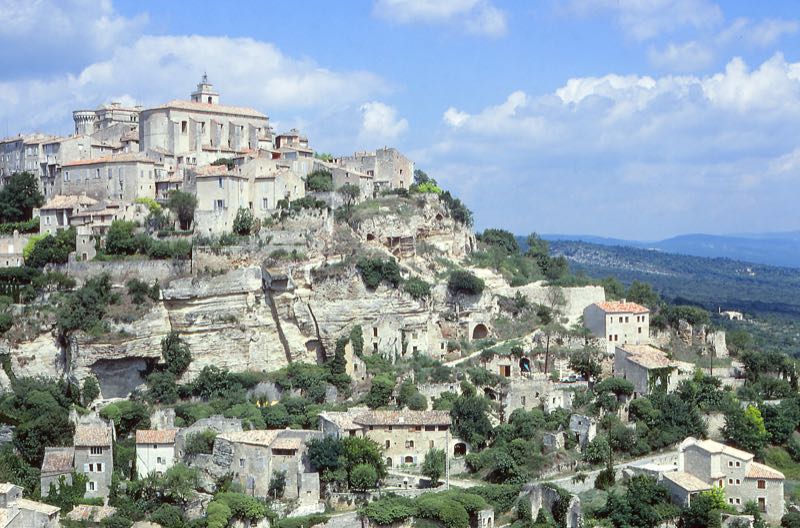 No. 013
Gordes
Provence-Alpes-Côte d'Azur, France
Gordes rises in tiers of pale limestone up a Luberon hillside, its Renaissance château rebuilt in 1525 on the walls of a 12th-century fortress.
Les Plus Beaux Villages de France
Check availability →
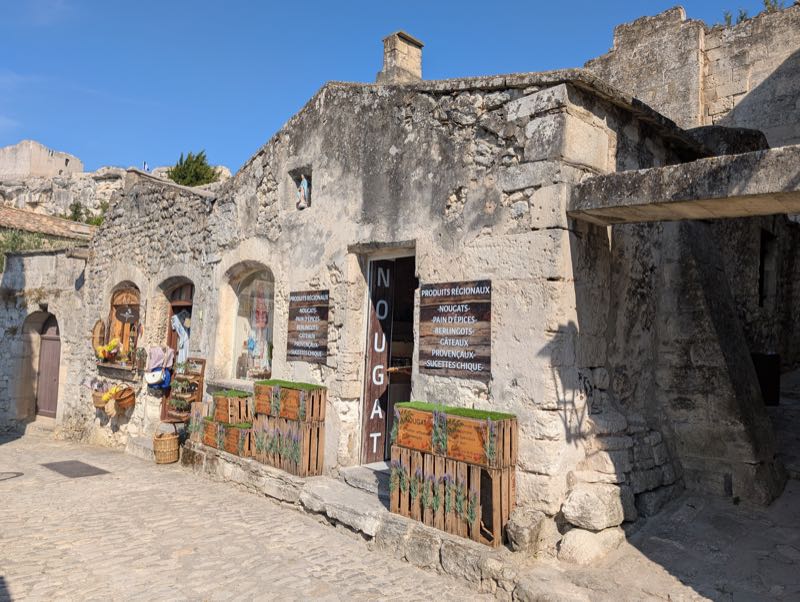 No. 016
Les Baux-de-Provence
Provence-Alpes-Côte d'Azur (Bouches-du-Rhône), France
Les Baux-de-Provence in the Alpilles crowns a limestone spur with medieval château ruins — the site that gave bauxite its name.
Les Plus Beaux Villages de France
Check availability →
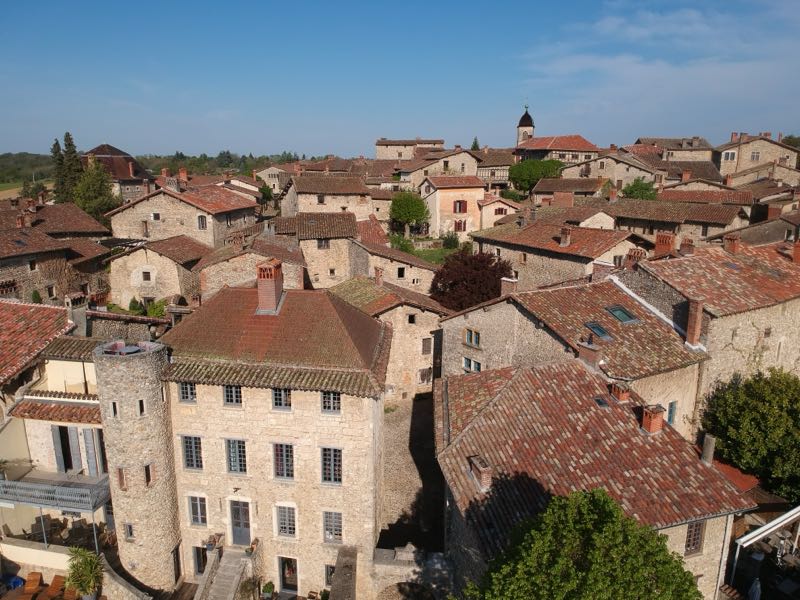 No. 019
Pérouges
Auvergne-Rhône-Alpes (Ain), France
Pérouges near Lyon, a walled medieval village once a linen-weaving centre, is so well preserved it serves repeatedly as a film set for period productions.
Les Plus Beaux Villages de France
Check availability →
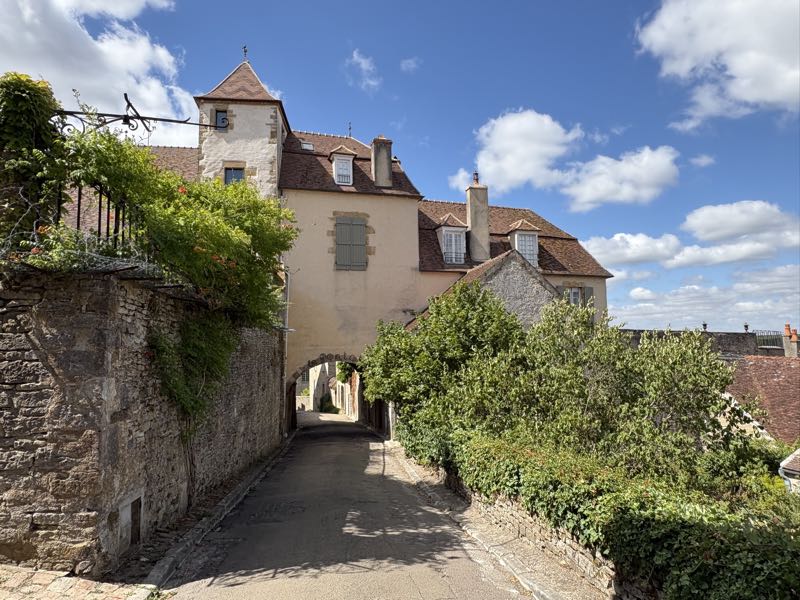 No. 024
Vézelay
Bourgogne-Franche-Comté, France
Vézelay's hilltop basilica, a starting point for medieval pilgrims heading to Santiago de Compostela, is itself inscribed as a UNESCO World Heritage Site.
UNESCO
Check availability →
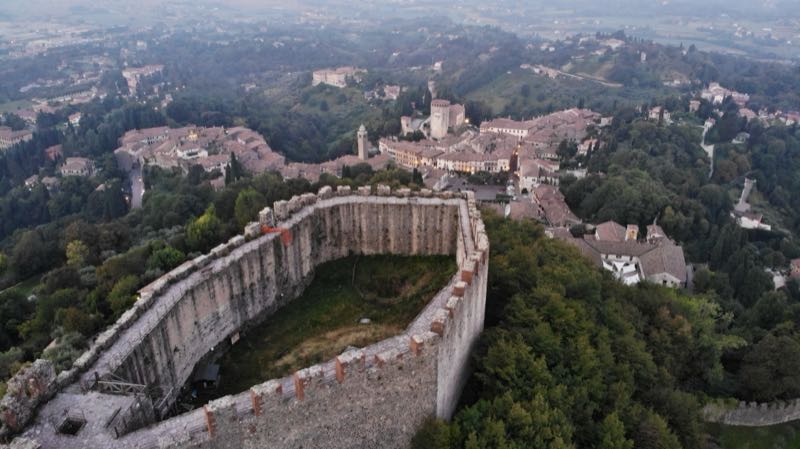 No. 028
Asolo
Veneto, Italy
Asolo occupies a hilltop above the Prosecco-growing hills of the Veneto, a position that earned it the nickname ‘the city of a hundred horizons.’ Several Palladian villas lie within a short drive.
I Borghi più belli d'Italia
Check availability →
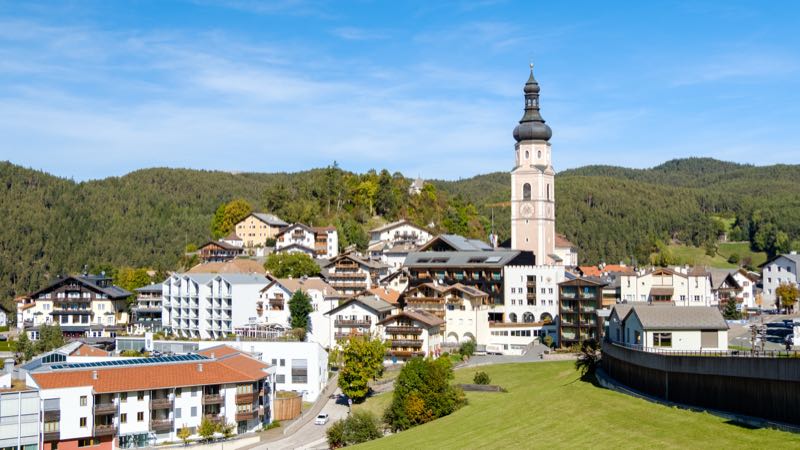 No. 029
Castelrotto (Kastelruth)
South Tyrol, Italy
Castelrotto sits at the foot of the Alpe di Siusi, the largest high alpine meadow in Europe.
I Borghi più belli d'Italia
Check availability →
 No. 031
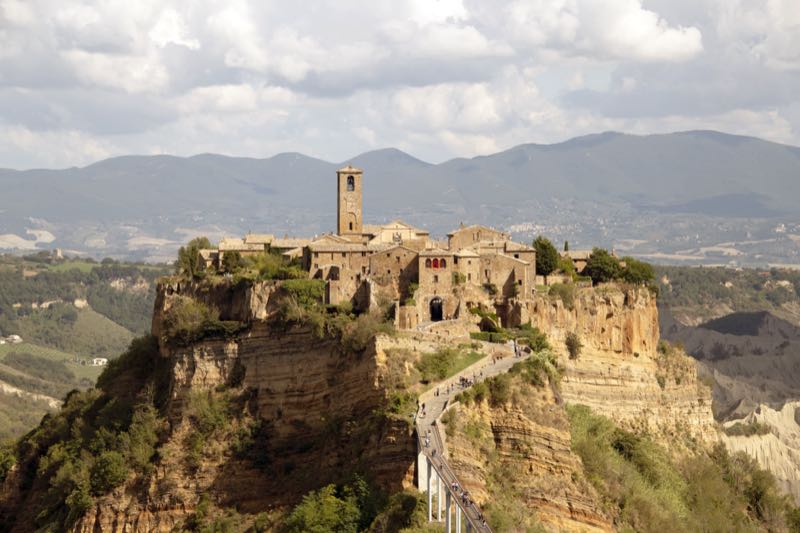
Civita di Bagnoregio
Lazio, Italy
Civita di Bagnoregio stands alone on an eroding tufa pillar, reachable only by a footbridge — no vehicle has ever been able to reach it.
I Borghi più belli d'Italia
Check availability →
 No. 036
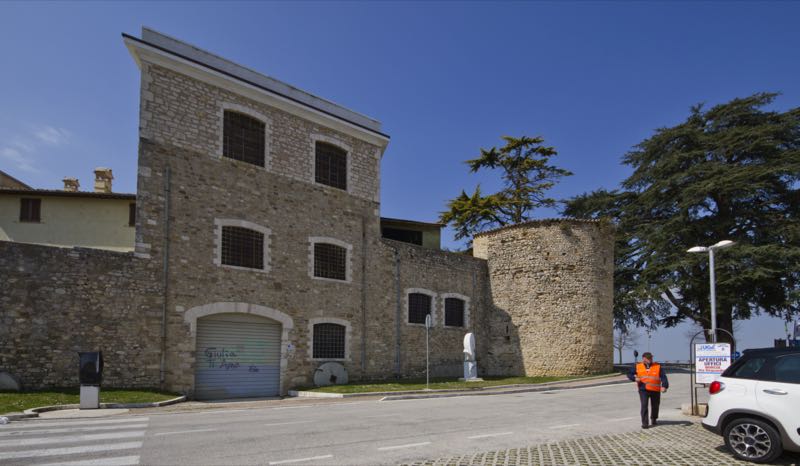
Montefalco
Umbria (Perugia), Italy
Montefalco in Umbria, the 'Balcony of Umbria' at 472 m, is the centre of Sagrantino DOCG wine country and houses Benozzo Gozzoli's Renaissance frescoes.
I Borghi più belli d'Italia
Check availability →
 No. 040
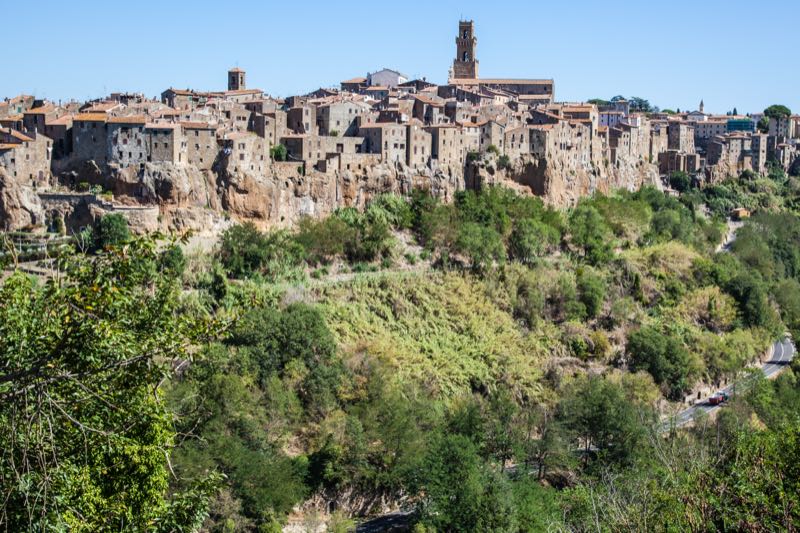
Pitigliano
Tuscany (Maremma), Italy
Pitigliano rises directly from a tufa cliff in Tuscany's Maremma, its buildings seemingly continuous with the rock beneath them.
I Borghi più belli d'Italia
Check availability →
 No. 041
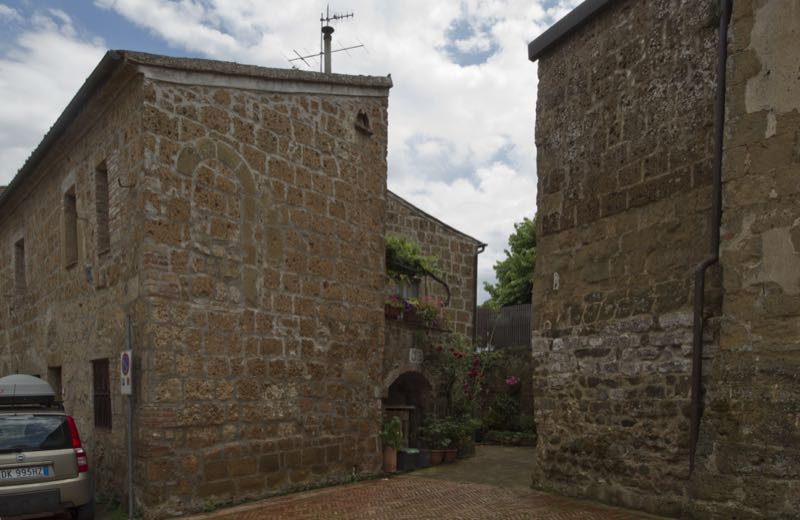
Sovana
Tuscany (Maremma), Italy
Sovana, a frazione of Sorano with barely more than a hundred residents, sits above an Etruscan necropolis carved into the surrounding tufa cliffs.
I Borghi più belli d'Italia
Check availability →
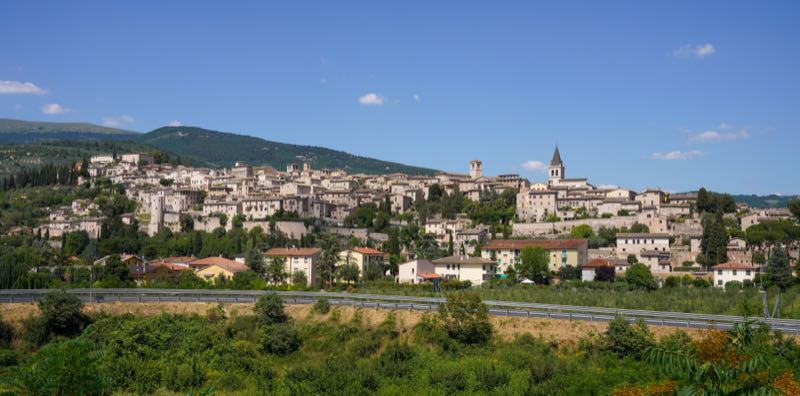 No. 042
Spello
Umbria, Italy
Spello climbs a ridge of Monte Subasio in Umbria, its Roman and medieval layers visible in the same walls.
I Borghi più belli d'Italia
Check availability →
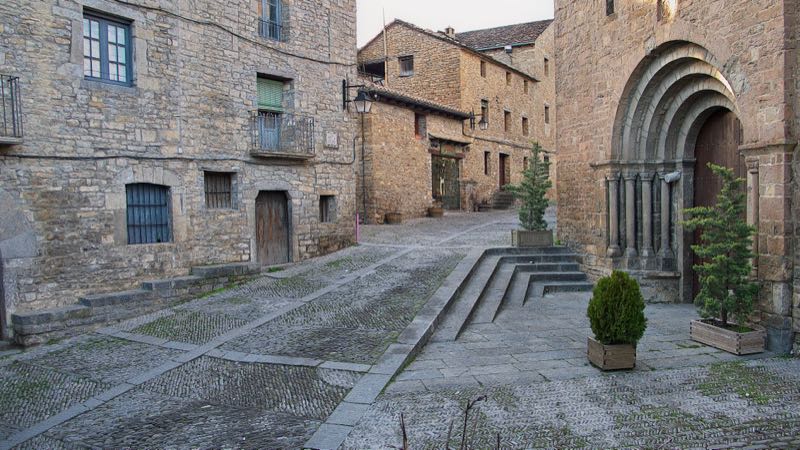 No. 046
Aínsa
Aragon (Huesca), Spain
Aínsa in the Sobrarbe Pyrenees commands a promontory at two rivers' confluence, its 11th-century walled old town the former capital of the Kingdom of Sobrarbe.
Los Pueblos más Bonitos de España
Check availability →
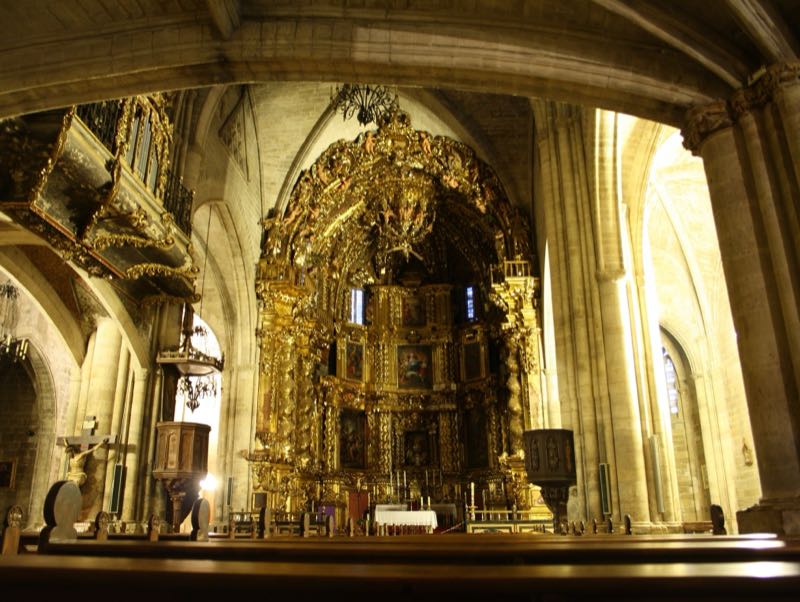 No. 055
Morella
Valencia (Castellón), Spain
Morella in Castellón at 1,004 m is enclosed by its original 2,500-metre medieval walls, crowned by a castle above a 14th-century Gothic basilica.
Los Pueblos más Bonitos de España
Check availability →
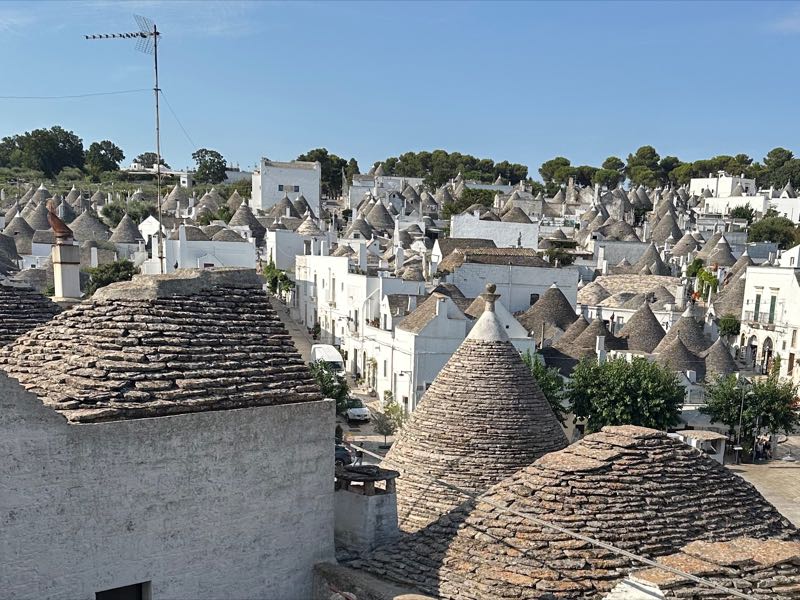 No. 061
Alberobello
Apulia (Metropolitan City of Bari), Italy
Alberobello in Apulia is built of trulli, dry-stone huts with conical roofs, UNESCO-listed since 1996. Its Rione Monti district remains fully inhabited.
UNESCO
Check availability →
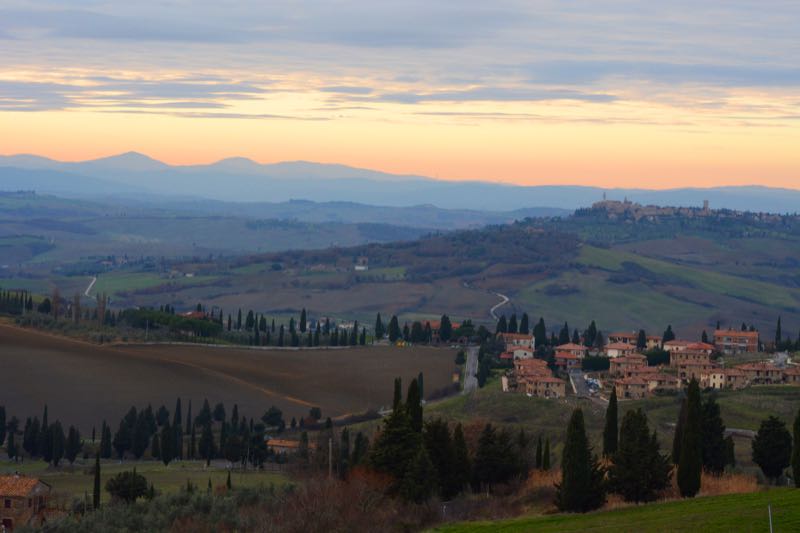 No. 062
Pienza
Tuscany (Province of Siena), Italy
Pienza in Tuscany's Val d'Orcia was rebuilt as an ideal Renaissance town for Pope Pius II in 1459, designed by Bernardo Rossellino. UNESCO-listed since 1996.
UNESCO
Check availability →