22 villages
Italy
Across Tuscany, Veneto, South Tyrol, Umbria, Lazio, Abruzzo and four other regions.
 No. 026
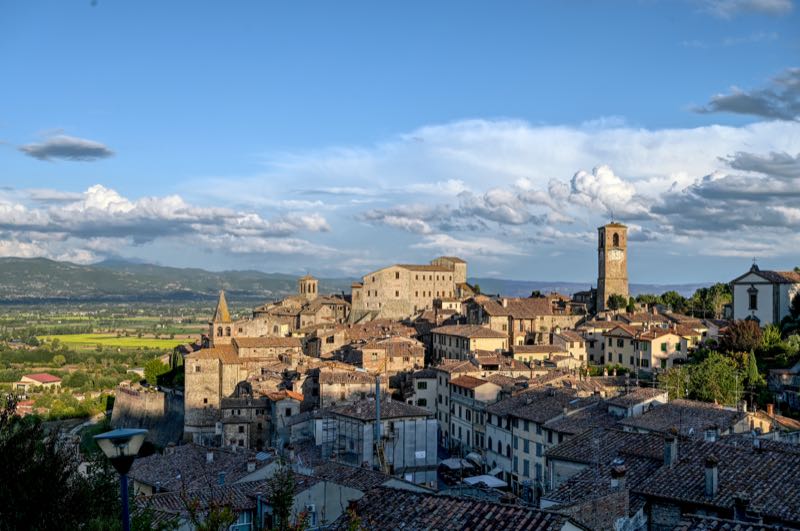
Anghiari
Tuscany (Arezzo), Italy
Anghiari in Tuscany's Valtiberina sits above the plain where the 1440 Battle of Anghiari was fought, the subject of Leonardo da Vinci's lost fresco.
I Borghi più belli d'Italia
Check availability →
 No. 027
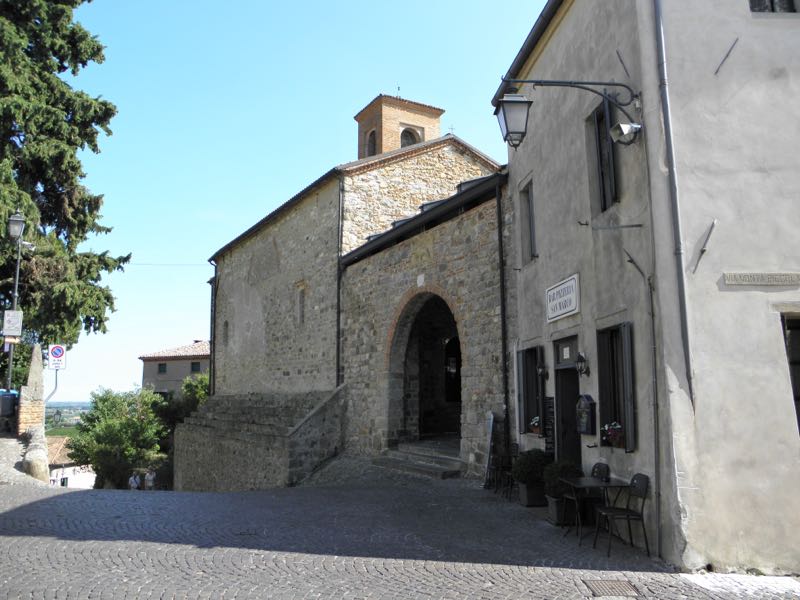
Arquà Petrarca
Veneto (Euganean Hills), Italy
Arquà Petrarca in the Euganean Hills, Veneto, was the final home of Petrarch (1370–1374), whose house and marble tomb still stand in this medieval village.
I Borghi più belli d'Italia
Check availability →
 No. 028
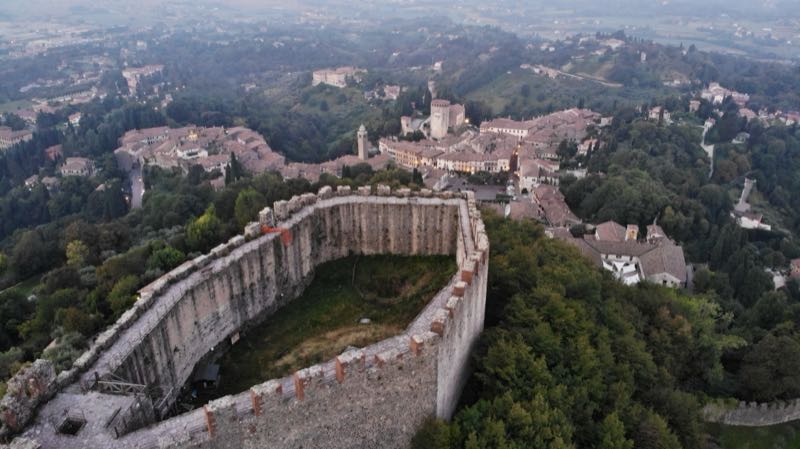
Asolo
Veneto, Italy
Asolo occupies a hilltop above the Prosecco-growing hills of the Veneto, a position that earned it the nickname ‘the city of a hundred horizons.’ Several Palladian villas lie within a short drive.
I Borghi più belli d'Italia
Check availability →
 No. 029
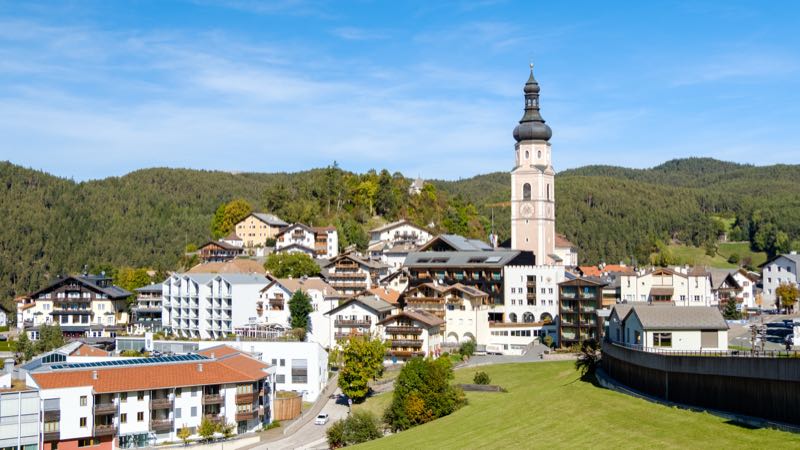
Castelrotto (Kastelruth)
South Tyrol, Italy
Castelrotto sits at the foot of the Alpe di Siusi, the largest high alpine meadow in Europe.
I Borghi più belli d'Italia
Check availability →
 No. 030
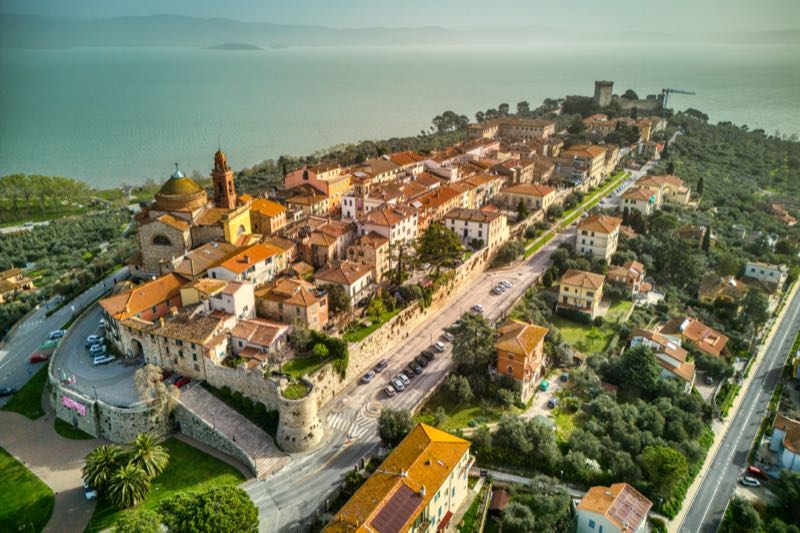
Castiglione del Lago
Umbria, Italy
Castiglione del Lago occupies a promontory surrounded on three sides by Lake Trasimeno.
I Borghi più belli d'Italia
Check availability →
 No. 031
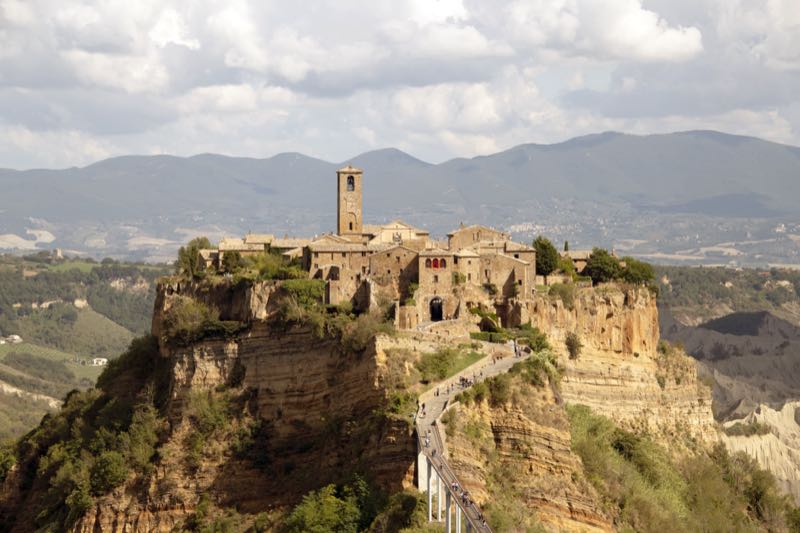
Civita di Bagnoregio
Lazio, Italy
Civita di Bagnoregio stands alone on an eroding tufa pillar, reachable only by a footbridge — no vehicle has ever been able to reach it.
I Borghi più belli d'Italia
Check availability →
 No. 032
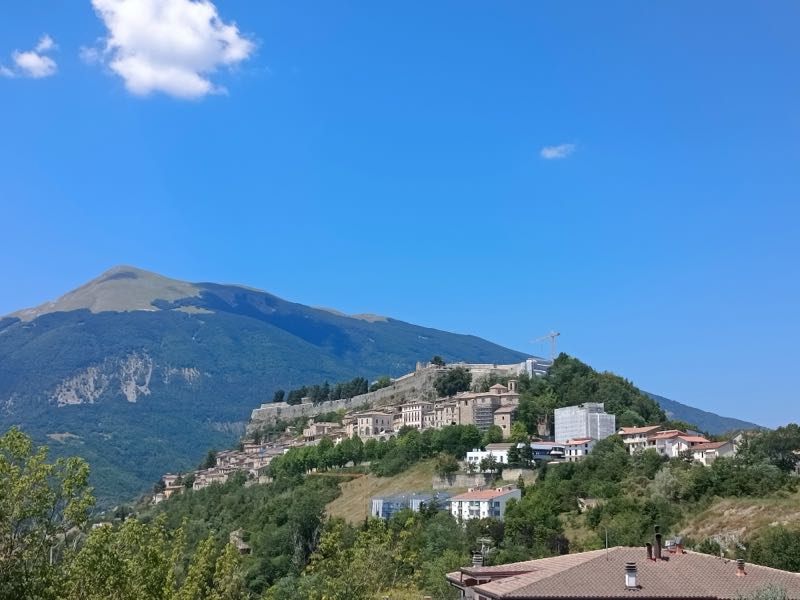
Civitella del Tronto
Abruzzo (Teramo), Italy
Civitella del Tronto in Abruzzo is crowned by Italy's largest fortress, which surrendered last at Italian unification on 20 March 1861.
I Borghi più belli d'Italia
Check availability →
 No. 033
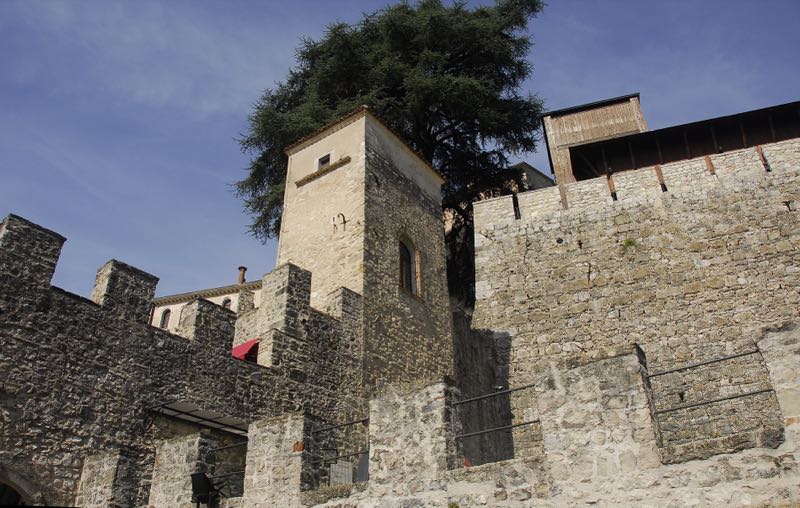
Follina
Veneto (Treviso), Italy
Follina in the Treviso Prealps, Veneto, is built around a 12th-century Cistercian abbey and lies along the UNESCO Prosecco Superiore wine hills.
I Borghi più belli d'Italia
Check availability →
 No. 034
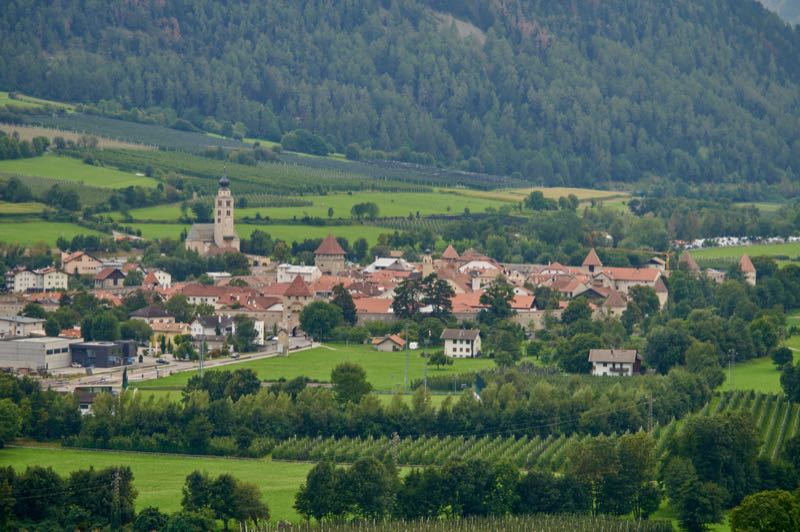
Glorenza (Glurns)
South Tyrol (Vinschgau), Italy
Glorenza (Glurns) in South Tyrol is the Alps' only fully intact walled medieval town, rebuilt after 1499 with walls and towers still standing today.
I Borghi più belli d'Italia
Check availability →
 No. 035
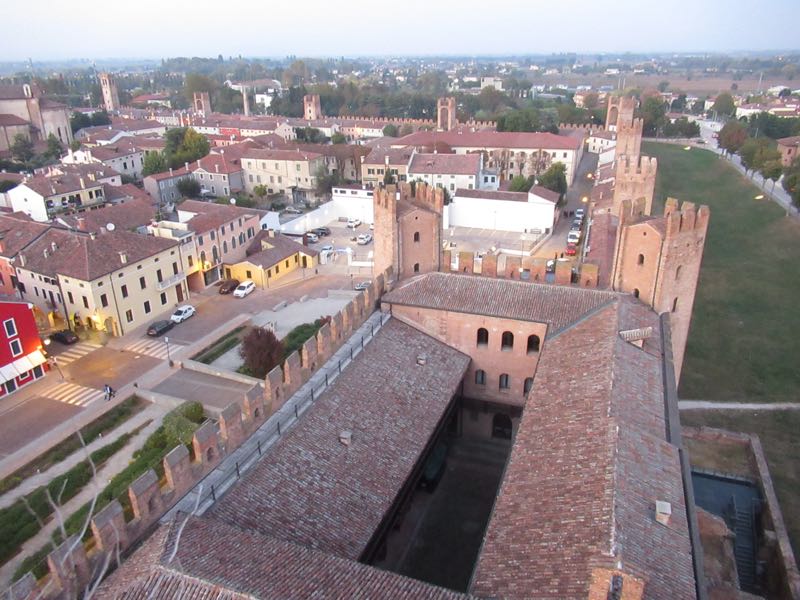
Montagnana
Veneto, Italy
Montagnana is encircled by one of the best-preserved sets of medieval city walls in Europe, complete with two fortified gates.
I Borghi più belli d'Italia
Check availability →
 No. 036
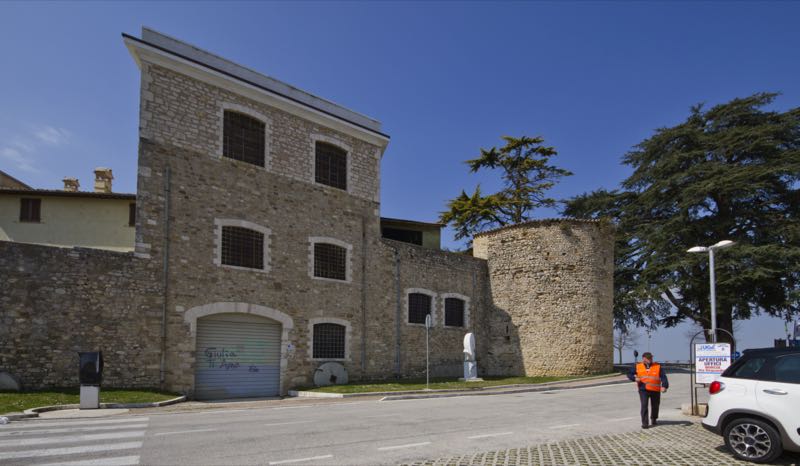
Montefalco
Umbria (Perugia), Italy
Montefalco in Umbria, the 'Balcony of Umbria' at 472 m, is the centre of Sagrantino DOCG wine country and houses Benozzo Gozzoli's Renaissance frescoes.
I Borghi più belli d'Italia
Check availability →
 No. 037
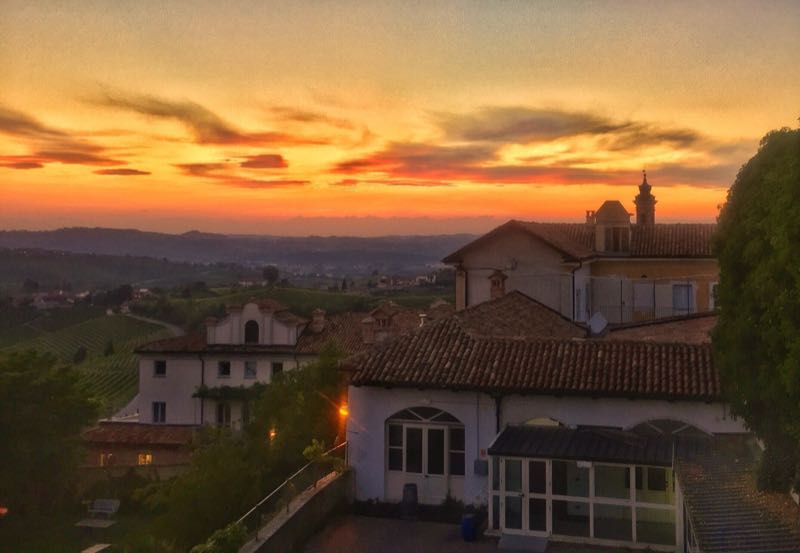
Neive
Piedmont (Langhe), Italy
Neive sits among the vineyards of the Langhe, in the heart of Barbaresco wine country — a UNESCO-listed vineyard landscape.
UNESCO
Check availability →
 No. 038
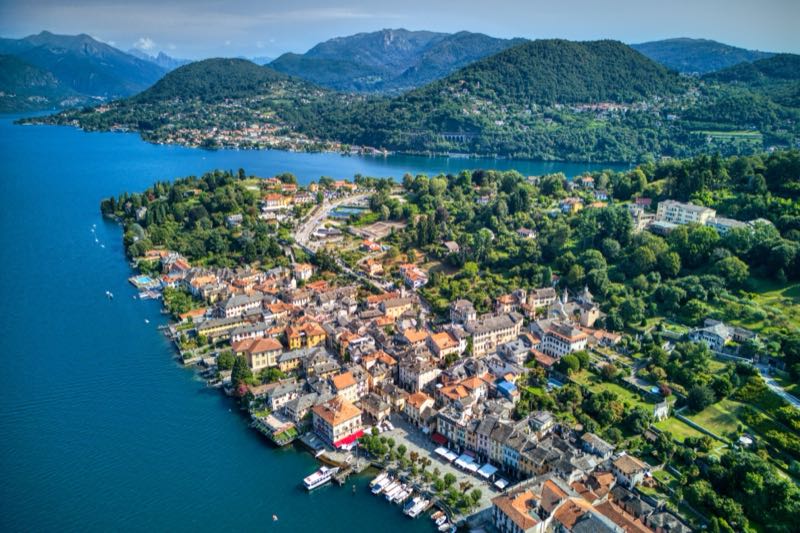
Orta San Giulio
Piedmont, Italy
Orta San Giulio occupies a promontory on Lake Orta, facing the small Isola San Giulio just offshore.
I Borghi più belli d'Italia
Check availability →
 No. 039
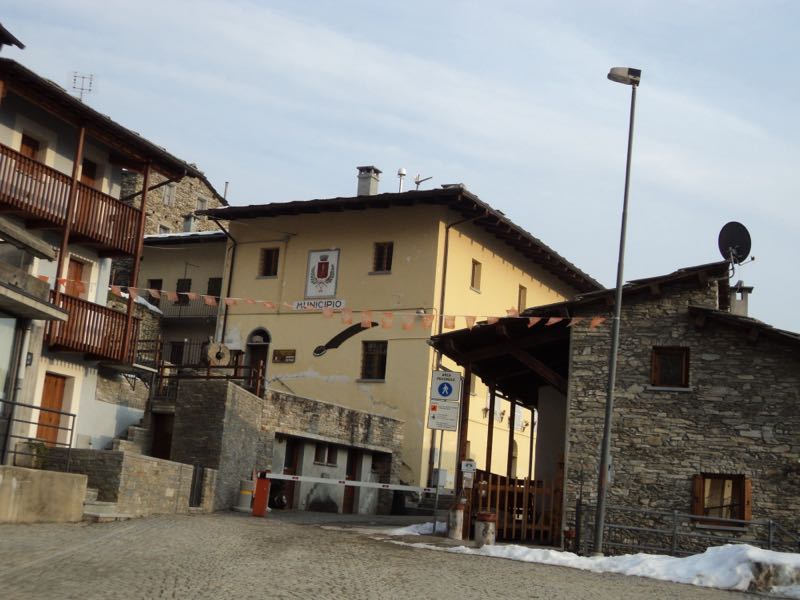
Ostana
Piedmont (Cuneo), Italy
Ostana in the Cuneo Alps, an Occitan village at 1,250 m that reversed near-total depopulation through strict traditional architecture restoration.
I Borghi più belli d'Italia
Check availability →
 No. 040
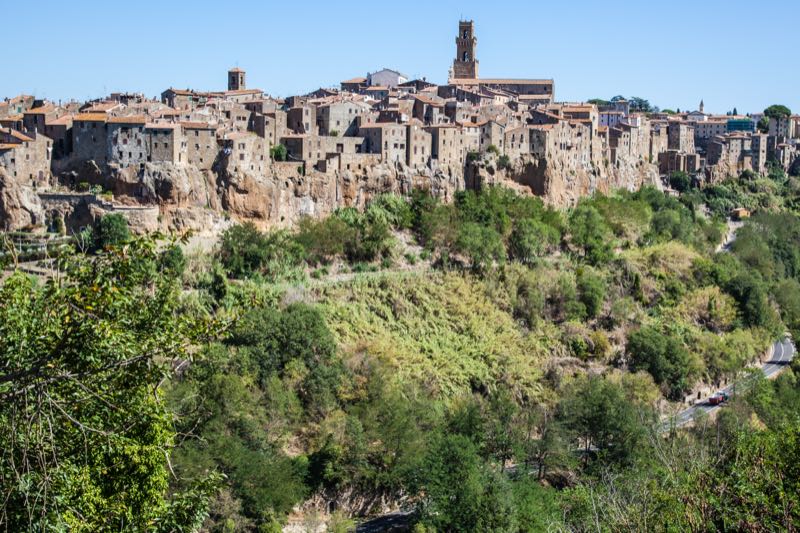
Pitigliano
Tuscany (Maremma), Italy
Pitigliano rises directly from a tufa cliff in Tuscany's Maremma, its buildings seemingly continuous with the rock beneath them.
I Borghi più belli d'Italia
Check availability →
 No. 041
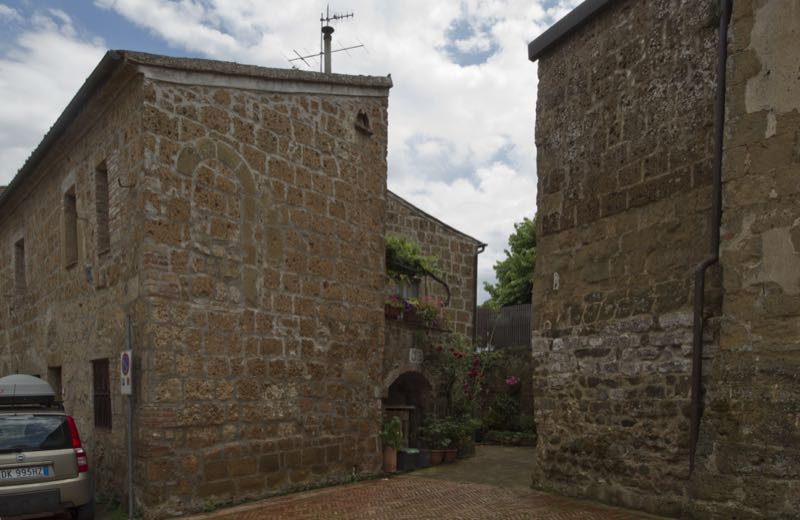
Sovana
Tuscany (Maremma), Italy
Sovana, a frazione of Sorano with barely more than a hundred residents, sits above an Etruscan necropolis carved into the surrounding tufa cliffs.
I Borghi più belli d'Italia
Check availability →
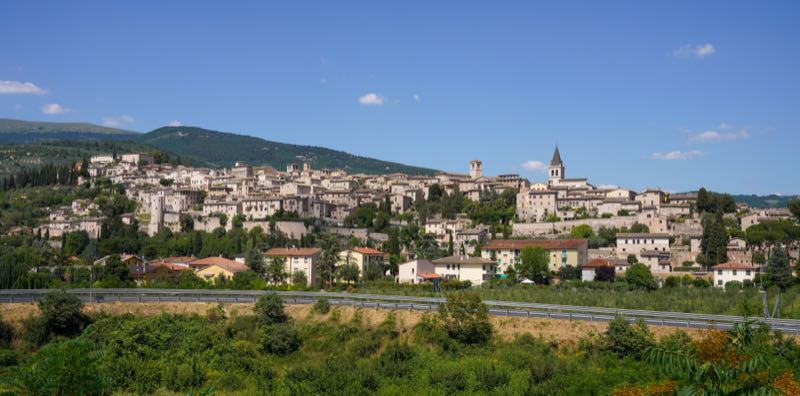 No. 042
Spello
Umbria, Italy
Spello climbs a ridge of Monte Subasio in Umbria, its Roman and medieval layers visible in the same walls.
I Borghi più belli d'Italia
Check availability →
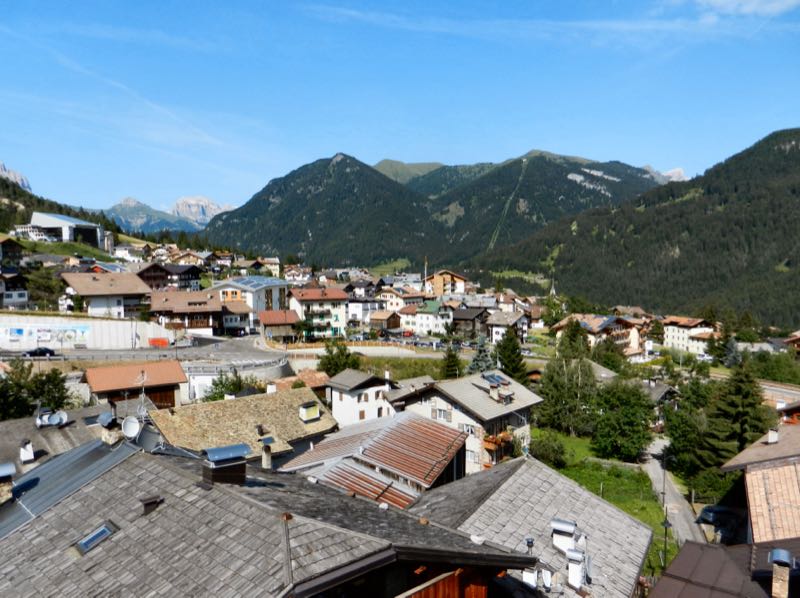 No. 043
Vigo di Fassa
Trentino (Val di Fassa), Italy
Vigo di Fassa sits at 1 382 m in the Ladin-speaking Val di Fassa. Gateway to the Catinaccio, home of the Museo Ladin de Fascia.
I Borghi più belli d'Italia
Check availability →
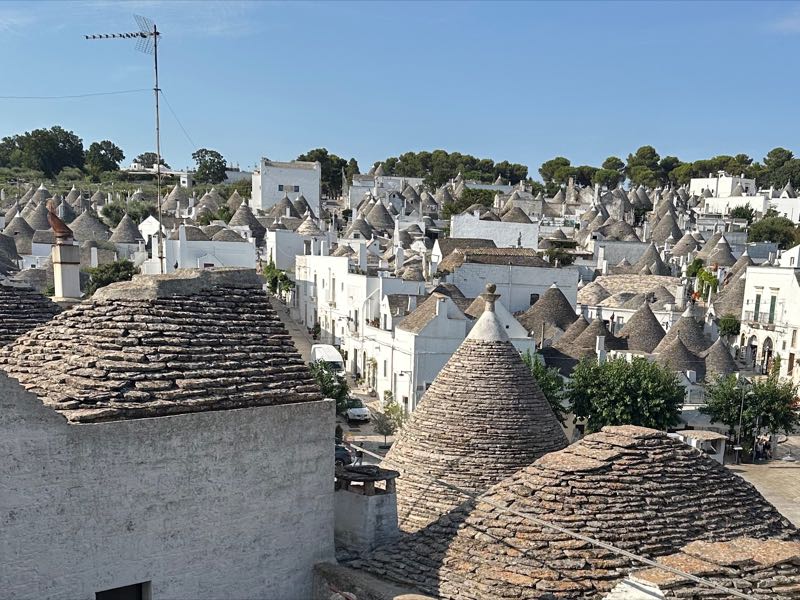 No. 061
Alberobello
Apulia (Metropolitan City of Bari), Italy
Alberobello in Apulia is built of trulli, dry-stone huts with conical roofs, UNESCO-listed since 1996. Its Rione Monti district remains fully inhabited.
UNESCO
Check availability →
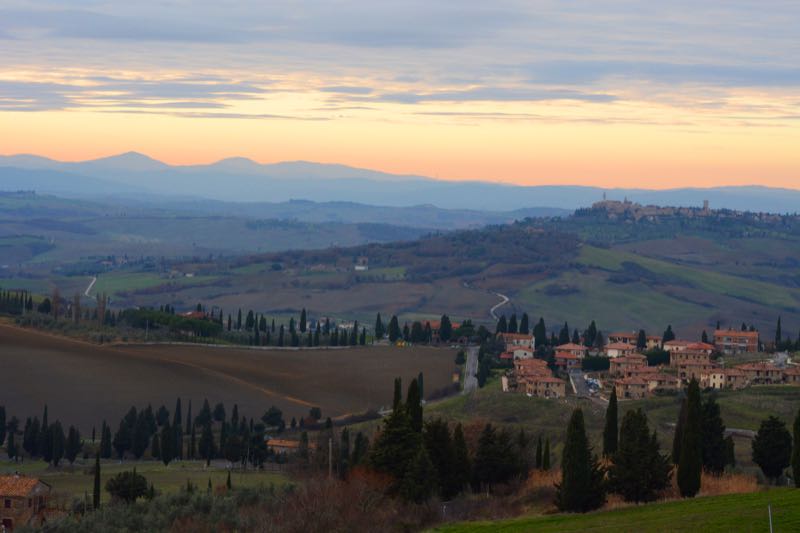 No. 062
Pienza
Tuscany (Province of Siena), Italy
Pienza in Tuscany's Val d'Orcia was rebuilt as an ideal Renaissance town for Pope Pius II in 1459, designed by Bernardo Rossellino. UNESCO-listed since 1996.
UNESCO
Check availability →
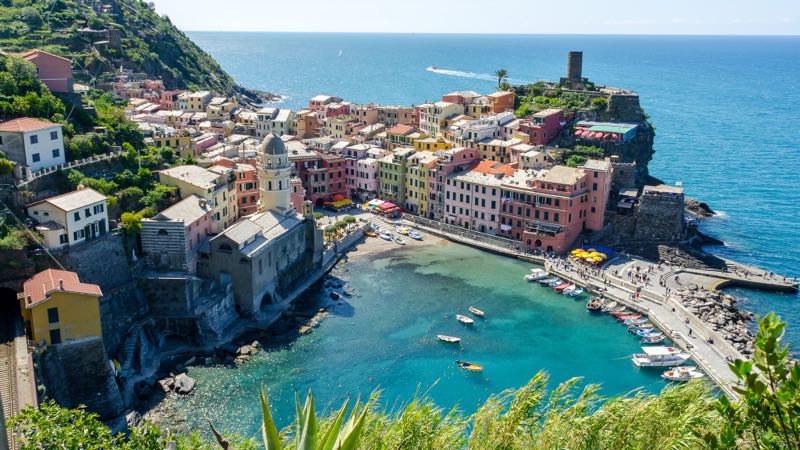 No. 063
Vernazza
Liguria (Province of La Spezia), Italy
Vernazza is the only natural port of the Cinque Terre, a UNESCO-listed coastal landscape in Liguria since 1997, built around a fortified fishing harbor.
UNESCO
Check availability →
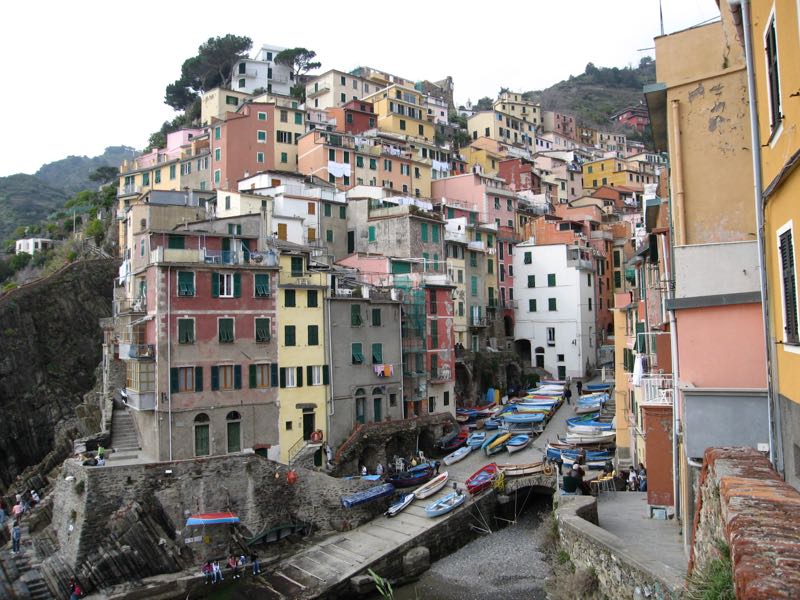 No. 064
Manarola
Liguria (Province of La Spezia, frazione of Riomaggiore), Italy
Manarola is the smallest inhabited Cinque Terre village, part of Italy's UNESCO-listed coastal landscape, known for terraced vineyards and cliffside houses.
UNESCO
Check availability →